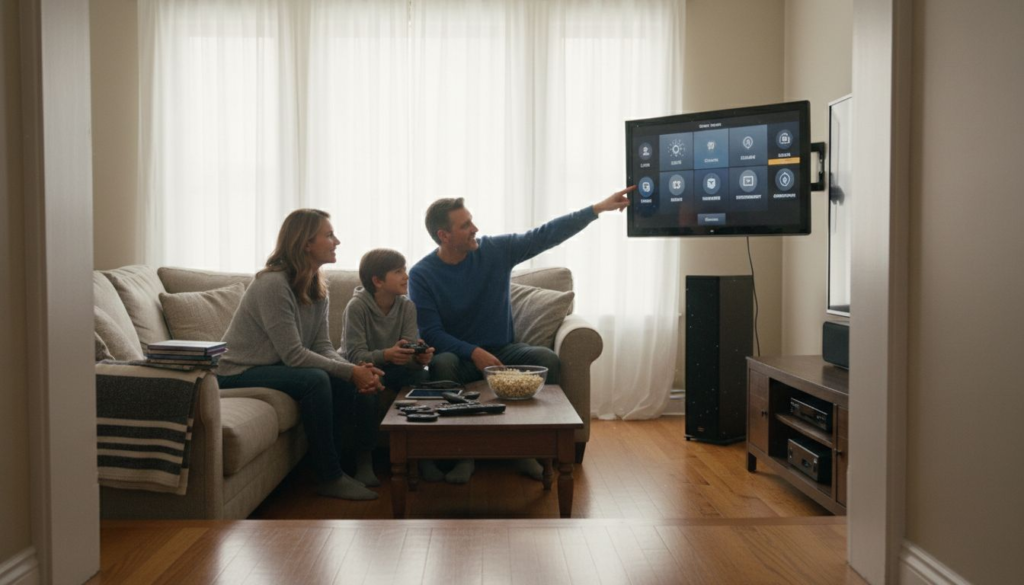
Imagine stepping into your Atlanta home where every moment in your private cinema and indoor golf simulator feels effortless and deeply personalized. Smart home automation is no longer limited to simple remote controls. Now, the most advanced systems combine intelligent climate, lighting, and entertainment technologies that learn and adapt to your preferences. Discover how
interconnected smart systems transform recreation and relaxation, bringing seamless control and luxury to your everyday living spaces.
Table of Contents
Key Takeaways
| Point |
Details |
| Integration of Technologies |
Home automation combines various digital technologies to create interconnected systems that enhance comfort and efficiency. |
| Personalization Benefits |
Smart home systems adapt to individual preferences, allowing for tailored experiences and improved lifestyle comfort. |
| Security Considerations |
Homeowners must address cybersecurity risks and ensure device compatibility to maintain system integrity and performance. |
| Proactive Maintenance |
Regular updates and security assessments are essential for sustaining optimal performance in home automation systems. |
Defining System Automation for Modern Homes
System automation represents a sophisticated technological approach that transforms residential spaces into intelligent, responsive environments. At its core, home automation integrates advanced digital technologies to create seamless, interconnected ecosystems that enhance comfort, efficiency, and convenience.
Recent technological advancements in home automation have dramatically expanded what’s possible, moving beyond simple remote control to intelligent, predictive systems.
Modern home automation encompasses a range of interconnected technologies that enable residents to monitor, control, and optimize various household systems through centralized interfaces. These systems typically include:
- Climate control systems that adjust temperature automatically
- Lighting networks that adapt to time of day and occupancy
- Security mechanisms with intelligent monitoring capabilities
- Entertainment systems that coordinate across multiple devices
- Energy management platforms that reduce consumption
The underlying architecture of home automation relies on several key communication protocols.
Home automation systems utilize technologies like ZigBee, Z-wave, Wi-Fi, and Bluetooth to enable device communication and create unified control environments. These protocols allow different devices and systems to interact seamlessly, translating complex technological interactions into simple user experiences.
Here’s a look at how common smart home communication protocols compare:
| Protocol |
Range |
Power Usage |
Main Application |
| ZigBee |
10-100 m |
Low |
Lighting, sensors |
| Z-Wave |
Up to 100 m |
Very low |
Security, automation |
| Wi-Fi |
50-100 m |
High |
Video, voice, streaming |
| Bluetooth |
10-30 m |
Moderate |
Wearables, controls |
Understanding system automation requires recognizing it as more than just technological integration—it’s about creating personalized, responsive living spaces. The goal is not merely automation, but intelligent adaptation that anticipates and meets residents’ needs with minimal manual intervention.
Pro tip: When implementing home automation, start with interconnected systems that offer the most immediate practical benefits, such as lighting and climate control.
Key Automation Types: Cinema, Golf, Lighting
Home entertainment automation has evolved dramatically, creating immersive experiences across multiple domains.
Intelligent home control systems now integrate sophisticated technologies that transform traditional spaces into dynamic, responsive environments. These advanced automation types specifically target cinema rooms, indoor golf simulators, and residential lighting systems, each offering unique technological capabilities.
For private home cinema experiences, automation enables unprecedented control and personalization:
- Automated screen deployment with precise positioning
- Intelligent lighting systems that adjust based on movie scenes
- Sound calibration matching room acoustics automatically
- Climate control synchronized with entertainment settings
- Remote control integration across multiple devices
Intelligent home technologies have particularly transformed golf simulator experiences. Modern systems now offer realistic environmental simulations, precise tracking, and interactive gameplay that mimics professional training environments. These advanced platforms leverage sensors, high-resolution displays, and sophisticated software to create immersive practice spaces that adapt to individual player techniques.
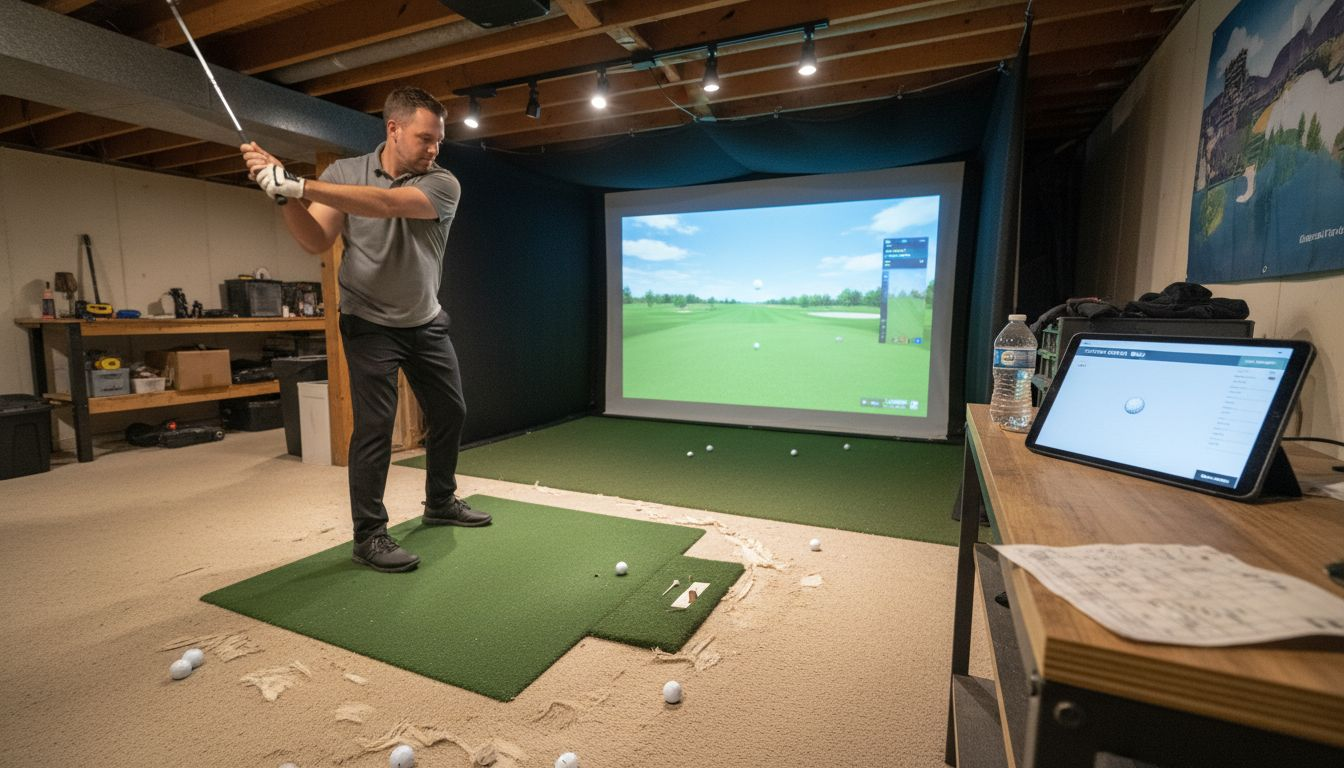
Lighting automation represents another critical dimension of smart home integration. Beyond basic on/off functionality, contemporary systems provide granular control over color temperature, intensity, and mood. Advanced lighting networks can synchronize with entertainment systems, create dynamic scenes, and enhance overall spatial aesthetics while improving energy efficiency.
Pro tip: When designing home automation, prioritize systems that offer scalable integration and user-friendly interfaces to ensure long-term satisfaction and ease of use.
How Smart Integration Enhances Experiences
Advanced home automation systems are transforming residential experiences by creating interconnected environments that adapt intuitively to homeowner preferences. These intelligent systems go far beyond simple remote control, developing sophisticated networks that learn, predict, and respond to individual lifestyle patterns with remarkable precision.
Smart integration offers multiple transformative benefits for modern homeowners:
- Personalized environmental control
- Enhanced comfort and convenience
- Energy efficiency optimization
- Seamless device communication
- Adaptive technological ecosystems
IoT-based home monitoring systems enable real-time tracking and management of home environments, allowing unprecedented levels of customization. These platforms leverage microcontrollers and advanced sensors to create responsive spaces that anticipate user needs, automatically adjusting temperature, lighting, entertainment systems, and security protocols with minimal manual intervention.
The true power of smart integration lies in its ability to create holistic, interconnected experiences. By connecting different technological systems — from voice-activated assistants to automated lighting and climate control — homeowners can achieve a level of environmental harmony that was previously impossible. These systems not only improve daily convenience but also contribute to energy conservation, personalized comfort, and enhanced living experiences.
Pro tip: Select smart home automation components that offer open-protocol compatibility to ensure future scalability and seamless system integration.
Personalization, Efficiency, and Lifestyle Impact
Home automation personalization represents a revolutionary approach to integrating technology into daily living, transforming residential spaces from static environments into dynamic, responsive ecosystems. These intelligent systems adapt seamlessly to individual preferences, creating living spaces that anticipate and respond to unique household needs with remarkable precision.
Key areas of personalization and lifestyle enhancement include:
- Adaptive environmental controls
- Predictive maintenance scheduling
- Energy consumption optimization
- Customized entertainment experiences
- Health and wellness monitoring
Advanced automation technologies are reshaping how individuals interact with their living spaces by reducing manual labor and increasing overall efficiency. These systems go beyond simple task automation, developing sophisticated algorithms that learn from user behavior, continuously refining their performance to provide increasingly tailored experiences that align perfectly with individual lifestyles.
The profound impact of these technologies extends far beyond convenience. By intelligently managing resources, automating routine tasks, and creating responsive living environments, home automation systems are fundamentally reimagining the relationship between humans and their personal spaces. This technological evolution enables more meaningful, efficient, and personalized interactions with our home environments.
The table below summarizes the impacts of personalized home automation on daily life:
| Benefit Area |
Example Impact |
Long-Term Value |
| Energy Efficiency |
Lower electricity usage |
Reduced utility bills |
| Security |
Real-time alerts sent |
Enhanced peace of mind |
| Lifestyle Comfort |
Automated routines |
Higher daily satisfaction |
Pro tip: When implementing home automation, start with systems that offer comprehensive data insights and flexible integration capabilities to maximize long-term adaptability and value.
Risks, Maintenance, and System Compatibility
Cybersecurity vulnerabilities in smart home automation represent a critical consideration for homeowners investing in advanced technological systems. While these intelligent networks offer unprecedented convenience, they simultaneously introduce complex security challenges that demand careful strategic planning and ongoing vigilance.
Key risks and maintenance considerations include:
- Potential network security breaches
- Device interoperability challenges
- Software update management
- Data privacy protection
- Performance degradation over time
Home automation system design requires a comprehensive approach to ensuring long-term reliability and seamless functionality. Homeowners must prioritize systems with robust compatibility frameworks, allowing different devices and protocols to communicate effectively while maintaining high security standards and minimizing potential integration conflicts.
Successful home automation implementation demands a proactive approach to system maintenance. This involves regular software updates, comprehensive security audits, careful device selection, and a strategic approach to technological integration that anticipates potential compatibility challenges and evolving technological standards.
Pro tip: Develop a comprehensive maintenance schedule that includes quarterly system reviews, firmware updates, and professional security assessments to ensure optimal performance and protection.
Elevate Your Private Home Entertainment with Seamless System Automation
The article highlights the challenge of integrating complex home automation technologies such as intelligent lighting, climate control, and immersive audio-visual systems to create truly personalized private home entertainment experiences. Many homeowners struggle with achieving seamless communication among devices and ensuring easy control that adapts to individual lifestyles. Key pain points include managing multiple systems effortlessly while enjoying enhanced comfort, energy efficiency, and interactive entertainment environments.
At Atlanta Home Theater, we specialize in solving these challenges by designing and installing custom smart home automation solutions tailored specifically for private cinemas, golf simulators, and advanced lighting systems. Our expert team understands the importance of intuitive system automation that anticipates your needs, offering unified control over lighting, sound, and climate for an immersive experience. Discover how our cutting-edge technology and personalized design can transform your home environment into a dynamic, responsive space.
Ready to take your private entertainment to the next level with flawless automation and expert integration Explore our comprehensive
smart home solutions that bring together comfort, style, and sophistication. Whether you’re starting your journey or upgrading your existing setup, schedule your consultation today with Atlanta Home Theater and experience how effortless automated home entertainment can truly be. Visit Atlanta Home Theater to start transforming your space now.
Frequently Asked Questions
What is system automation in home entertainment?
System automation in home entertainment refers to the integration of advanced technologies that allow homeowners to control and optimize their entertainment systems, creating seamless experiences through features like automated screen deployment, intelligent lighting, and synchronized climate control.
How can home automation enhance my private cinema experience?
Home automation can enhance your private cinema experience by providing automated features such as precise screen adjustments, dynamic lighting that adapts to scenes, sound calibration for optimal acoustics, and integrated climate control, all of which contribute to a richer viewing experience.
What are the benefits of integrating smart technology into my golf simulator?
Integrating smart technology into a golf simulator can provide realistic environmental simulations, precise tracking of swings, and interactive gameplay, creating an immersive experience that mimics professional training environments and adapts to individual player techniques.
How does lighting automation improve the overall ambiance of my home entertainment setup?
Lighting automation improves ambiance by allowing precise control over color temperature, intensity, and mood, enabling dynamic scenes that can synchronize with entertainment systems and create appealing spatial aesthetics while enhancing energy efficiency.
Recommended