
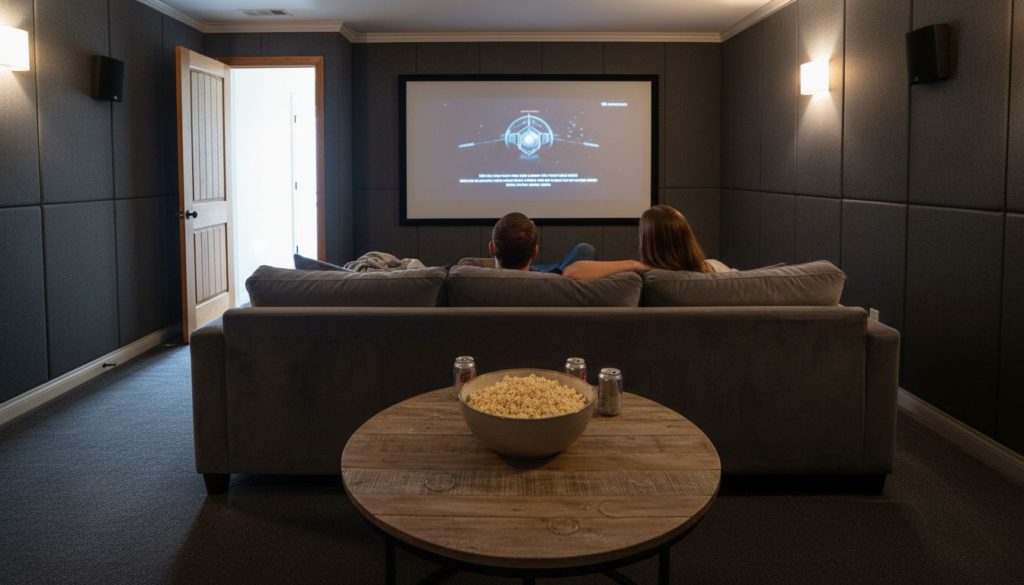
Home cinema enthusiasts across Atlanta know that simple light switches rarely deliver the immersive feel of a true theater. Creating the perfect movie atmosphere requires more than dimming the lights. Guided lighting scenes offer pre-configured light settings that create specific atmospheres for every film, mood, or gathering. This article unpacks how smart lighting transforms home theaters, letting you set the stage with ease and craft cinematic experiences that impress family and friends.
Table of Contents
- Guided Lighting Scenes Defined And Demystified
- Types Of Lighting Scenes For Home Theaters
- How Guided Lighting Scenes Function In Automation
- Benefits Of Guided Lighting For Immersive Cinemas
- Common Pitfalls And Expert Integration Strategies
Key Takeaways
| Point | Details |
|---|---|
| Guided Lighting Scenes Enhance Atmosphere | Pre-configured light settings create personalized environments for various activities, improving the home cinema experience. |
| Multiple Lighting Layers Are Essential | Incorporating ambient, task, accent, and safety lighting is crucial for achieving optimal viewing conditions. |
| Automation Improves Control | Smart home integration allows homeowners to automate and customize lighting scenes for effortless transitions. |
| Avoid Common Pitfalls | Focus on proper fixture placement, dimming capabilities, and effective control systems to ensure a quality viewing experience. |
Guided lighting scenes defined and demystified
Guided lighting scenes transform home cinema experiences by creating precise, personalized lighting environments. These sophisticated systems allow Atlanta homeowners to orchestrate complex lighting arrangements with simple commands, elevating home entertainment beyond traditional on/off functionality.
At their core, guided lighting scenes are pre-configured light settings that create specific atmospheres tailored to particular activities, moods, or times of day. Unlike standard lighting controls, these advanced systems integrate multiple lighting elements to produce nuanced, dynamic environments.
Key characteristics of guided lighting scenes include:
- Customizable brightness levels across multiple light sources
- Ability to set specific color temperatures
- Synchronized control of different lighting zones
- Programmable activation through voice commands, mobile apps, or scheduled timers
- Energy efficiency through intelligent light management
The technology behind guided lighting scenes relies on sophisticated smart home integration. Homeowners can create preset configurations that transform their cinema space from bright, preparatory lighting to immersive, theater-like ambiance with a single touch or voice command.
Pro tip: Start by creating three baseline scenes: movie mode, intermission mode, and cleanup mode to maximize your home cinema’s lighting flexibility.
Types of lighting scenes for home theaters
Home theater lighting is far more complex than simply turning lights on and off. Professional home cinema designers recognize multiple lighting layers that work together to create the ultimate viewing experience. Home theater lighting can be strategically categorized into distinct types that serve specific functional and aesthetic purposes.
Lighting scene types in home theaters include:
- Ambient lighting: Provides overall room illumination
- Task lighting: Supports specific activities like reading or equipment adjustments
- Accent lighting: Creates mood and visual interest
- Smart lighting: Offers programmable, dynamic control
- Safety lighting: Ensures safe movement during screenings
Each lighting layer serves a unique purpose in transforming home cinema environments. Ambient lighting creates general illumination, typically using overhead fixtures that can be dimmed for optimal screen visibility. Task lighting includes strategically placed reading lamps or adjustable spotlights that allow viewers to manage equipment or locate refreshments without disrupting the movie experience.
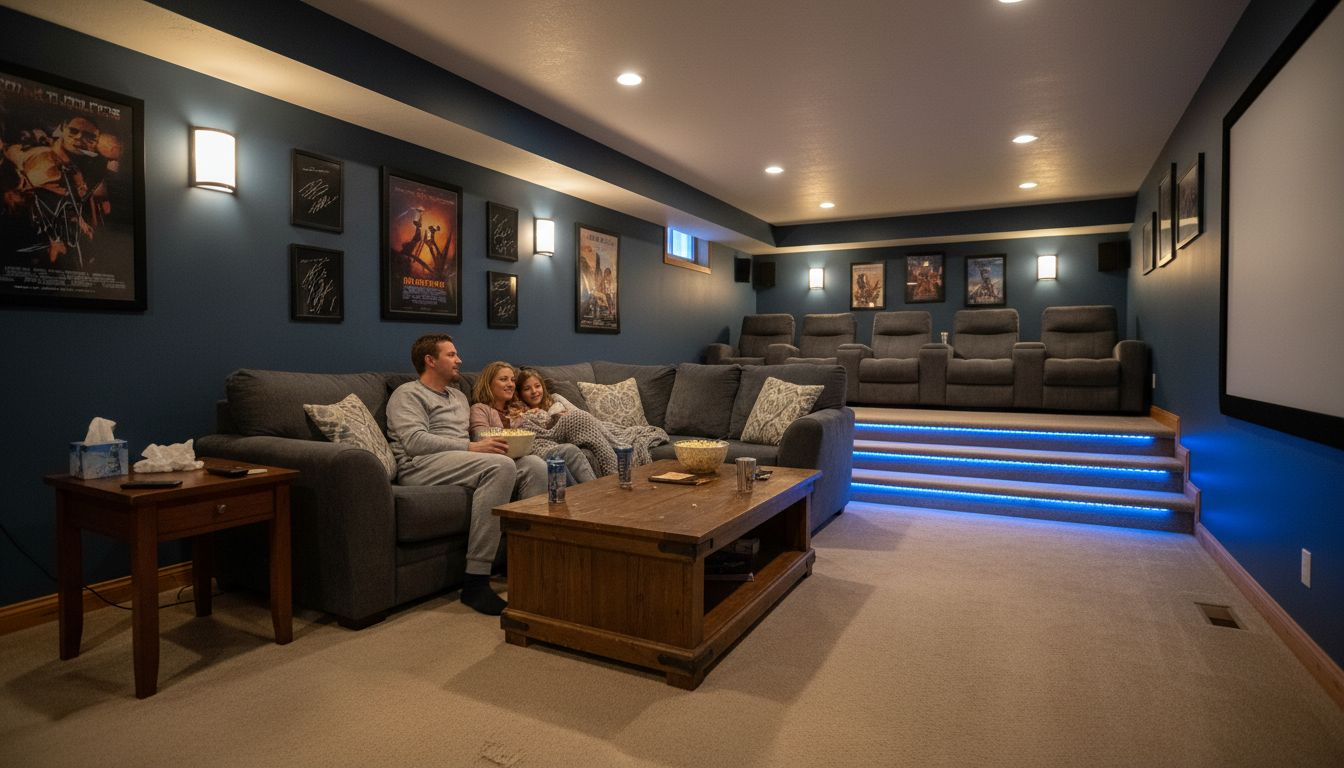
Accent lighting plays a crucial role in creating cinematic atmosphere. LED strip lights, wall sconces, and fiber optic ceiling elements can transform a basic room into an immersive theater environment. These decorative lighting options not only enhance aesthetic appeal but also reduce eye strain and create depth in the viewing space.
Smart lighting systems elevate home theater experiences by enabling precise, programmable control. Homeowners can now create preset scenes that automatically adjust brightness, color temperature, and zone lighting with a single command. This technology allows seamless transitions between different viewing modes, from bright pre-movie setup to intimate, low-light screening environments.
Pro tip: Invest in a smart lighting control system that allows at least three preset scenes: movie mode, intermission mode, and cleanup mode for maximum flexibility.
Here is a comparison of lighting scene types and their ideal use in home theaters:
| Scene Type | Primary Purpose | Typical Use Case |
|---|---|---|
| Ambient Lighting | Overall room illumination | General viewing, cleaning |
| Task Lighting | Focused activity support | Reading, equipment adjustments |
| Accent Lighting | Create mood, enhance depth | Film screenings, decor highlights |
| Safety Lighting | Ensure safe movement | Walkways, stairs during movies |
This table highlights how different lighting scene types contribute to a versatile home theater experience.
How guided lighting scenes function in automation
Modern home theater automation transforms lighting from a simple on/off function into an intelligent, responsive system. Guided lighting scenes are created through sophisticated smart home platforms, enabling homeowners to orchestrate complex lighting environments with unprecedented precision and ease.
The core mechanics of automated lighting scenes involve several key technological components:
- Communication protocols: Devices communicate via mesh networks or Wi-Fi
- Trigger mechanisms: Scenes activated by time, presence, or manual commands
- Device integration: Smart bulbs, switches, and controllers work seamlessly
- Customization options: Programmable brightness, color, and transition effects
- Conditional logic: Scenes can adapt based on specific environmental conditions
Smart home platforms like Alexa and Google Home serve as the central nervous system for these automated lighting experiences. They allow users to create intricate lighting routines that go far beyond traditional switch-based controls. For instance, a home theater scene might automatically dim overhead lights, activate bias lighting behind the screen, and set ambient LED strips to a complementary color temperature – all with a single voice command or scheduled trigger.
The technical infrastructure supporting these scenes relies on sophisticated device communication protocols. Smart bulbs, dimmer switches, and LED controllers communicate instantaneously across local networks, ensuring rapid and reliable scene execution. This means transitions between different lighting states can be smooth, gradual, and precisely timed to enhance the overall viewing experience.
Pro tip: Create multiple lighting scenes with varying intensities and color temperatures to accommodate different movie genres and viewing preferences.
Benefits of guided lighting for immersive cinemas
Immersive home theaters are transforming cinematic experiences through sophisticated lighting technologies that go far beyond traditional illumination. Guided lighting enhances cinematic environments by creating nuanced, emotionally resonant spaces that dramatically improve viewer engagement.
The key benefits of guided lighting in home cinemas include:
- Visual comfort: Reduces eye strain through balanced ambient lighting
- Emotional storytelling: Subtly influences mood and atmosphere
- Personalized experiences: Customizable scenes for different genres
- Enhanced safety: Integrated pathway and step lighting
- Operational convenience: Smart, automated control systems
Professional home cinema designers understand that motivated lighting creates a sense of realism by appearing naturally sourced within the scene. This technique mimics professional cinematography, making viewers feel more deeply connected to the on-screen narrative. LED technologies and smart controllers enable precise color temperature adjustments, allowing homeowners to recreate the exact emotional tone of different film genres.
Beyond aesthetic benefits, guided lighting also delivers practical advantages. Smart systems can automatically adjust lighting during movie playback, reducing screen glare, minimizing eye strain, and creating seamless transitions between different viewing modes. The ability to program complex lighting scenes means each movie night can be a uniquely tailored experience, transforming a standard room into a professional-grade cinema environment.
Pro tip: Design at least three distinct lighting scenes: a bright pre-movie setup, a dramatic cinema mode, and a soft cleanup mode to enhance your home theater experience.
Common pitfalls and expert integration strategies
Home theater lighting requires strategic planning to avoid common design mistakes that can compromise the viewing experience. Home theater lighting experts recommend comprehensive approaches to prevent technical and aesthetic challenges that many homeowners encounter during installation.
Common pitfalls in home theater lighting design include:
- Screen glare: Improper fixture placement causing reflection
- Inadequate dimming: Fixed lighting that lacks flexibility
- Poor color temperature: Lights that disrupt visual immersion
- Safety oversights: Insufficient pathway and step illumination
- Complex control systems: Overly complicated lighting interfaces
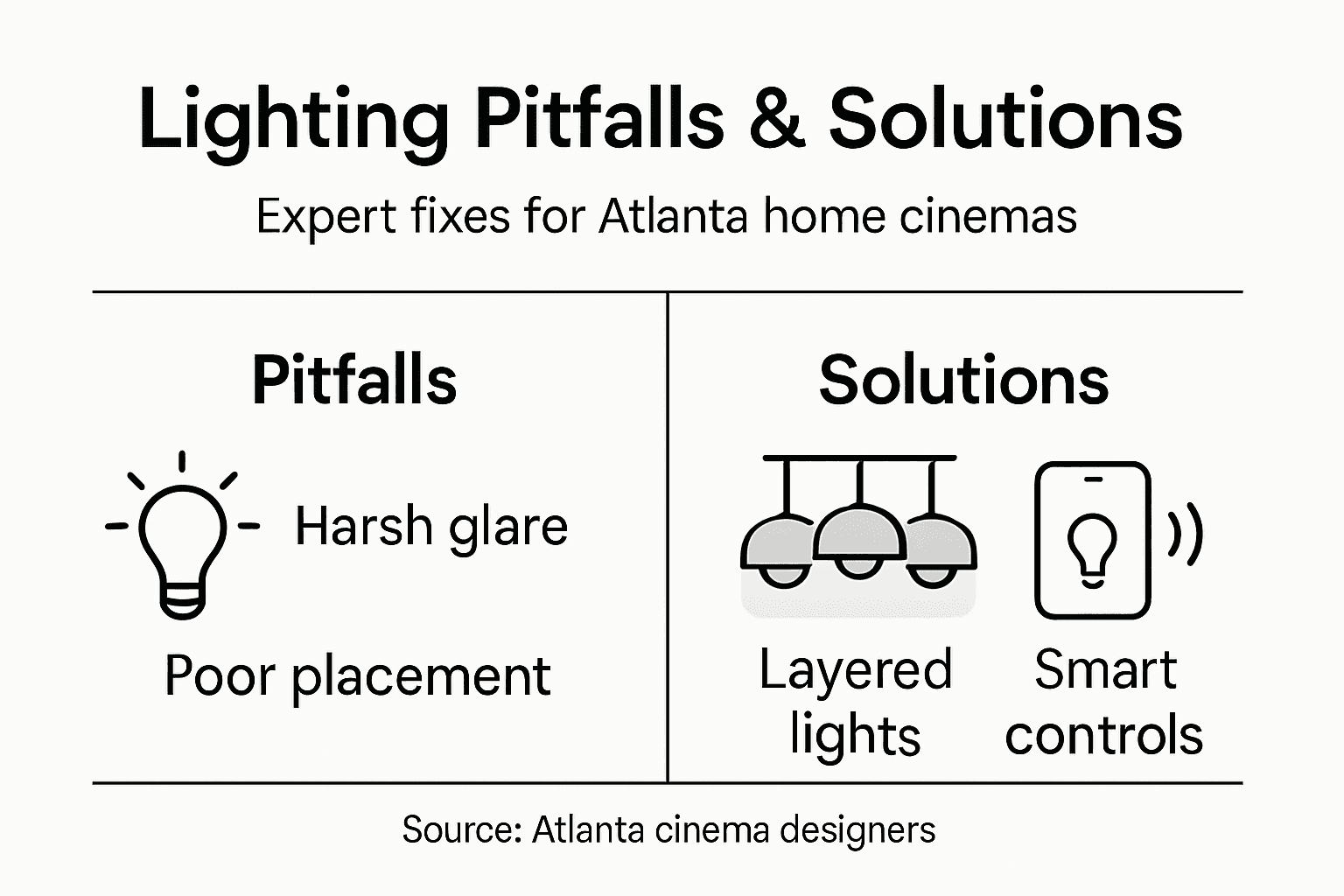
Professional designers emphasize the importance of layered lighting strategies. This means incorporating multiple light sources with different purposes – ambient lighting for general illumination, task lighting for specific activities, and accent lighting to create mood and depth. By strategically positioning lights and using smart control systems, homeowners can create dynamic environments that adapt to various viewing scenarios.
Technical integration requires careful consideration of light placement, color rendering, and control mechanisms. Smart lighting systems should allow seamless transitions between different scenes, with programmable options that can be easily adjusted through mobile apps or voice commands. The goal is to create a lighting environment that enhances the cinematic experience without drawing attention to the technology itself.
Pro tip: Consult a professional lighting designer during the initial home theater planning phase to ensure optimal light placement and integration.
The table below outlines common home theater lighting pitfalls and effective solutions:
| Pitfall | Negative Impact | Expert Solution |
|---|---|---|
| Screen glare | Reduces image quality | Use indirect, shielded fixtures |
| Poor color temperature | Breaks immersion | Install adjustable LED lighting |
| Complex control systems | User frustration | Integrate with a smart platform |
| Inadequate dimming | Limits ambiance options | Employ smart dimmers and presets |
Review these key pitfalls and solutions to optimize your cinema lighting design.
Elevate Your Atlanta Home Cinema with Expert Guided Lighting Solutions
Struggling to create seamless, immersive lighting scenes that transform your home theater into a true cinematic sanctuary is a common challenge. This article highlights how guided lighting scenes, with customizable brightness, color temperature, and synchronized zone control, are essential for an elevated viewing experience free of screen glare and poor ambiance. At Atlanta Home Theater, we understand these pain points and specialize in smart lighting automation that blends perfectly with your home cinema’s unique needs.
Our team of over 40 trained professionals provides personalized consultations to design and install sophisticated lighting systems that include multiple preset scenes such as movie mode, intermission, and cleanup mode. We integrate the latest technologies for smooth, programmed transitions using voice commands or mobile apps to create emotional and visually comfortable atmospheres. Ready to make motivated lighting a key part of your immersive cinema experience? Discover how our custom private cinema and smart home technology solutions can bring these concepts to life. Start your transformation today by exploring Atlanta Home Theater and schedule your consultation. Let us guide you in achieving perfect lighting scenes tailored just for you.
Frequently Asked Questions
What are guided lighting scenes?
Guided lighting scenes are pre-configured light settings designed to create specific atmospheres for activities, moods, or times of day in home cinemas. They integrate multiple lighting elements for a dynamic and immersive viewing experience.
How can I create a lighting scene for my home theater?
You can create a lighting scene by determining the desired moods for different activities, such as ‘movie mode’ or ‘cleanup mode.’ Use a smart lighting control system to set customizable brightness levels, color temperatures, and activation methods through voice commands or mobile apps.
What types of lighting layers should I include in my home theater?
Include various lighting layers like ambient lighting for general illumination, task lighting for specific activities, accent lighting for mood, safety lighting for pathways, and smart lighting for programmable controls to enhance the viewing experience.
What are the benefits of using guided lighting in home cinemas?
Benefits of guided lighting include reduced eye strain, enhanced emotional storytelling, personalized viewing experiences for different movie genres, improved safety with integrated lighting, and operational convenience with automated control systems.
Recommended