
Every homeowner knows that lighting sets the mood for every gathering and defines the beauty of their living spaces. Smart lighting has evolved from simple fixtures to intelligent systems that use advanced sensing and network controls, offering seamless integration for both functionality and aesthetics. Discover how automated lighting creates personalized ambiance, maximizes energy efficiency, and turns entertainment areas into striking showcases of style and innovation.
Table of Contents
- Defining Lighting in Smart Home Design
- Types of Smart Lighting Systems and Technologies
- Core Features: Automation, Customization, and Remote Control
- Enhancing Interior Aesthetics and Entertainment Spaces
- Integration with Other Smart Home Solutions
- Common Challenges and How to Avoid Mistakes
Key Takeaways
| Point | Details |
|---|---|
| Smart Lighting Enhances Lifestyle | Smart lighting provides dynamic control that allows homeowners to personalize their spaces in response to activities and moods. |
| Advanced Integration is Crucial | Successful smart lighting systems require integration with other home automation technologies for optimal performance and user experience. |
| Customization and Automation Increase Efficiency | Automation and personalized lighting scenes help optimize energy consumption while maintaining comfort and aesthetics. |
| Consider Professional Guidance for Implementation | Engaging professionals for system design and installation can help navigate complexities and ensure compatibility and performance. |
Defining Lighting in Smart Home Design
Smart home lighting represents a sophisticated technological evolution that transforms traditional illumination into an intelligent, dynamic system. Smart lighting design goes far beyond simply turning lights on and off, integrating advanced sensing technologies and communication protocols to create adaptive, responsive environments.
At its core, smart lighting control systems enable network-based management that optimizes both functionality and aesthetic experience. These systems leverage sophisticated technologies to:
- Adjust illumination dynamically based on occupancy
- Respond to natural daylight conditions
- Create personalized ambiance through precise light manipulation
- Maximize energy efficiency
- Enhance home security through intelligent lighting patterns
The concept of smart lighting bridges physical and digital domains, transforming light from a static utility into an interactive, adaptive experience. Advanced sensing technologies now allow lighting systems to understand and anticipate human needs, creating environments that are both functional and emotionally resonant.
For Atlanta homeowners, smart lighting represents more than technological innovation – it’s about crafting personalized spaces that respond intuitively to lifestyle and aesthetic preferences. By integrating automated controls, homeowners can create layered lighting experiences that enhance architectural features, improve mood, and optimize energy consumption.
Pro tip: When designing smart lighting, consider creating multiple scene configurations that can be easily activated to match different activities and times of day.
Types of Smart Lighting Systems and Technologies
Smart lighting technologies have revolutionized home illumination, offering unprecedented control and customization through advanced networked lighting systems. Networked lighting controls represent the foundation of modern smart lighting, connecting individual lighting elements through sophisticated digital networks that enable centralized management and intelligent automation.
These sophisticated systems encompass several key technological approaches:
- Sensor-Integrated Lighting: Devices with built-in occupancy and ambient light sensors
- Wireless Communication Systems: Bluetooth, WiFi, and Zigbee-enabled lighting controls
- IoT-Enabled Platforms: Smart lights that integrate with home automation ecosystems
- Color-Changing Technologies: RGB and tunable white light capabilities
- Adaptive Illumination Systems: Lights that adjust based on time, activity, and environmental conditions
Wireless communication technologies play a crucial role in modern smart lighting design. Advanced IoT lighting algorithms now enable systems to optimize energy consumption, create responsive environments, and provide unprecedented levels of personalization for homeowners.
The evolution of smart lighting goes beyond simple on/off functionality. Modern systems can create complex lighting scenes, synchronize with music and entertainment systems, enhance home security, and even support circadian rhythm management by mimicking natural light progression throughout the day.
Pro tip: When selecting smart lighting systems, prioritize platforms with open compatibility to ensure seamless integration with your existing smart home infrastructure.
Here’s a comparison of popular smart lighting technologies and the value they add for homeowners:
| Technology Type | Unique Advantage | Typical Use Case |
|---|---|---|
| Sensor-Integrated Lighting | Automates based on presence or daylight | Entrances, hallways, bathrooms |
| Wireless Control (WiFi, Zigbee) | Enables flexible, app-based adjustments | Retrofits, multi-room scenarios |
| IoT-Enabled Platforms | Integrates with other smart devices | Full-home automation systems |
| Color-Changing Solutions | Customizes ambiance and mood | Living rooms, entertainment zones |
| Adaptive Illumination | Adjusts to routines and activities | Bedrooms, home offices |
Core Features: Automation, Customization, and Remote Control
Smart lighting systems represent a transformative approach to home illumination, offering sophisticated control through advanced lighting control technologies. These systems go beyond traditional lighting by providing unprecedented levels of personalization, efficiency, and convenience for homeowners.
The core features of modern smart lighting encompass three critical dimensions:
- Automation: Intelligent sensors and programmed schedules that manage lighting without manual intervention
- Customization: Ability to create personalized lighting scenes and adjust color temperature
- Remote Control: Mobile app and voice-activated interfaces for comprehensive lighting management
Micro-IoT lighting architectures have revolutionized how homeowners interact with their lighting environments. These sophisticated systems enable users to fine-tune illumination precisely, creating dynamic spaces that adapt to different activities, moods, and times of day.
The depth of customization in modern smart lighting is remarkable. Homeowners can now program complex lighting scenarios that synchronize with daily routines, enhance home security, and even support biological rhythms by mimicking natural light progression. From subtle ambient lighting during evening relaxation to bright, energizing illumination for morning productivity, these systems offer unparalleled flexibility.
Pro tip: Consider creating multiple preset lighting scenes that can be quickly activated to match different activities and emotional states.
Enhancing Interior Aesthetics and Entertainment Spaces
Smart lighting technologies have transformed interior design by providing unprecedented control over ambiance, aesthetics, and emotional experience. Residential lighting design strategies now enable homeowners to create dynamic, multilayered illumination that dramatically enhances living spaces and entertainment environments.
The key approaches to leveraging smart lighting for interior aesthetics include:
- Layered Lighting Techniques: Combining ambient, task, and accent lighting
- Architectural Feature Highlighting: Using targeted illumination to emphasize design elements
- Mood Creation: Dynamically adjusting color temperature and intensity
- Multimedia Integration: Synchronizing lighting with entertainment systems
- Energy-Efficient Design: Balancing aesthetic goals with sustainable practices
Sustainable architectural lighting tactics demonstrate how intelligent illumination can simultaneously enhance visual appeal and environmental responsibility. Modern smart lighting systems allow precise control that transforms spaces from functional to extraordinary, creating immersive environments that adapt to different activities and emotional states.
In entertainment spaces, smart lighting becomes a critical design element. Homeowners can now choreograph lighting scenes that sync with music, movies, or gaming experiences, creating cinematic atmospheres that extend beyond traditional audio-visual boundaries. The ability to instantaneously shift from soft, intimate lighting to vibrant, energetic illumination represents a true revolution in home design.
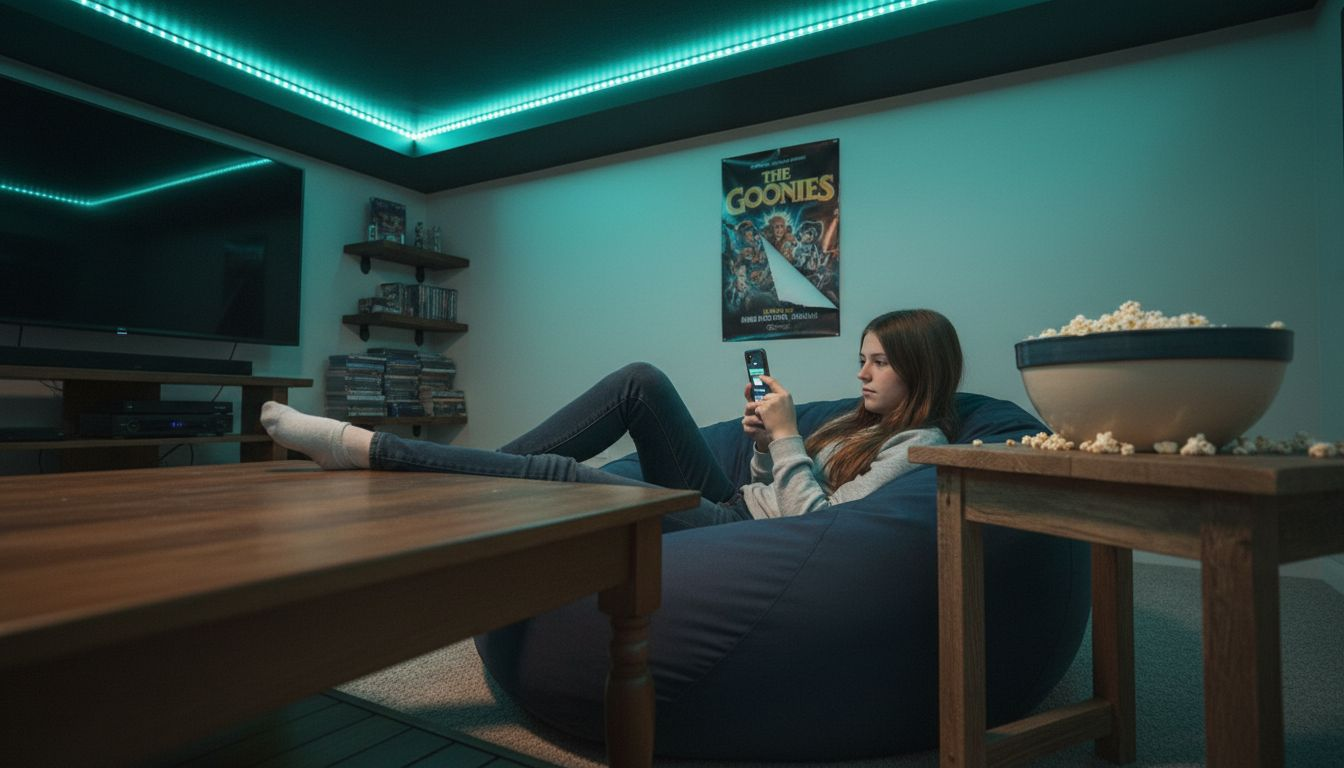
Pro tip: Create a series of preset lighting scenes that can be quickly activated to match different entertainment modes, from movie nights to dinner parties.
Integration with Other Smart Home Solutions
Smart home lighting represents more than just illumination – it’s a critical component of comprehensive home automation ecosystems. Smart home integration frameworks enable sophisticated coordination between lighting and other intelligent systems, creating seamless, responsive living environments that adapt to homeowners’ needs.
The most powerful smart home integrations encompass multiple technological domains:
- HVAC Synchronization: Adjusting lighting to complement temperature and comfort settings
- Security System Coordination: Using lighting to enhance home protection
- Multimedia Ecosystem Integration: Synchronizing lights with audio/video experiences
- Climate and Energy Management: Optimizing illumination for energy efficiency
- Voice Assistant Compatibility: Enabling hands-free lighting control
Home automation server environments now provide centralized platforms that connect diverse smart home technologies, allowing unprecedented levels of customization and control. These unified systems transform individual devices into an interconnected network that responds intelligently to user preferences and environmental conditions.
For Atlanta homeowners, whole-home integration means creating living spaces that are not just technologically advanced, but emotionally responsive. By linking lighting with other smart home systems, residents can design environments that seamlessly transition between work, relaxation, entertainment, and security modes, all with minimal manual intervention.
Pro tip: Select smart home platforms with open communication protocols to ensure maximum device compatibility and future-proofing.
Below is a summary of smart lighting integration benefits across the smart home ecosystem:
| Integration Area | Lighting’s Contribution | User Benefit |
|---|---|---|
| HVAC Synchronization | Adapts light level to climate settings | Enhanced comfort, reduced costs |
| Security System Link | Uses lighting for deterrence | Improved safety and peace of mind |
| Multimedia Integration | Syncs lights with audio/video | Immersive entertainment |
| Energy Optimization | Lowers consumption through smart control | Lower monthly bills |
| Voice Assistant Enabled | Adds hands-free convenience | Accessibility for all households |
Common Challenges and How to Avoid Mistakes
Navigating the complex landscape of smart lighting requires a strategic approach to overcome potential technical and design challenges. Lighting control zoning strategies play a critical role in ensuring effective system performance and user satisfaction, requiring careful planning and implementation.
Key challenges in smart lighting design include:
- Complexity Overload: Preventing system interfaces from becoming too complicated
- Interoperability Issues: Ensuring compatibility between different smart home technologies
- Energy Efficiency Balance: Maintaining performance while minimizing power consumption
- Privacy and Security Concerns: Protecting network and personal data
- Initial Cost Barriers: Managing upfront investment for comprehensive systems
Smart lighting deployment challenges demand meticulous hardware and software selection. Successful implementations require robust communication infrastructure, local processing capabilities, and adaptive technologies that can evolve with changing user needs and technological advancements.
Atlanta homeowners should approach smart lighting integration as a holistic design process. This means carefully evaluating system capabilities, understanding personal requirements, and investing in flexible platforms that offer scalability and future-proofing. Consulting with professional integrators can help navigate the intricate landscape of smart home lighting technologies.
Pro tip: Always request comprehensive system demonstrations and compatibility testing before finalizing your smart lighting installation.
Transform Your Home Lighting Experience with Expert Smart Design Solutions
Lighting in smart design goes beyond basic illumination to create adaptive, personalized environments that enhance both aesthetics and functionality. If you are facing challenges like complex system compatibility or want to achieve seamless automation and precise customization, you are not alone. The article highlights key concerns such as automation, customization, interoperability, and perfect integration with your smart home ecosystem — all essential to fully unlocking the potential of smart lighting.
At Atlanta Home Theater, we specialize in turning these ambitions into reality. Since 1996, our team has delivered custom automated lighting solutions that capture your lifestyle needs and elevate your home’s ambiance. Whether you seek to highlight architectural features, set dynamic entertainment moods, or integrate lighting flawlessly with voice assistants and security systems, our experts will guide you every step. Discover how our tailored smart lighting systems can seamlessly integrate with your entire smart home, delivering energy efficiency, ease of use, and stunning visual impact.
Ready to enhance your home with intelligent lighting designed to inspire and adapt? Explore our full range of smart home innovations and schedule your personal consultation today at Atlanta Home Theater. Take the first step toward a brighter, smarter, and more beautiful living space now.
Frequently Asked Questions
What are the benefits of smart lighting in home design?
Smart lighting enhances functionality, improves energy efficiency, creates personalized ambiance, and increases home security by adapting to various conditions and user preferences.
How can smart lighting improve energy efficiency in my home?
Smart lighting systems automatically adjust brightness based on occupancy and natural light, minimizing energy consumption and lowering utility bills.
What types of technologies are used in smart lighting systems?
Smart lighting technologies include sensor-integrated lighting, wireless communication systems, IoT-enabled platforms, color-changing capabilities, and adaptive illumination systems that respond to user needs and environmental changes.
How can I create custom lighting scenes with smart lighting systems?
Most smart lighting systems allow you to program multiple scenes that can be easily activated, enabling you to adjust the lighting to suit different activities, moods, or times of day.
Recommended
- Lighting Automation: Everything You Need to Know – Atlanta Home Theater
- Natural Light Control in Luxury Homes: How Smart Window Shades Enhance Comfort and Privacy – Atlanta Home Theater
- Interior and Exterior Lighting + Design | Atlanta Home Theater
- Interior and Exterior Lighting + Design | Atlanta Home Theater