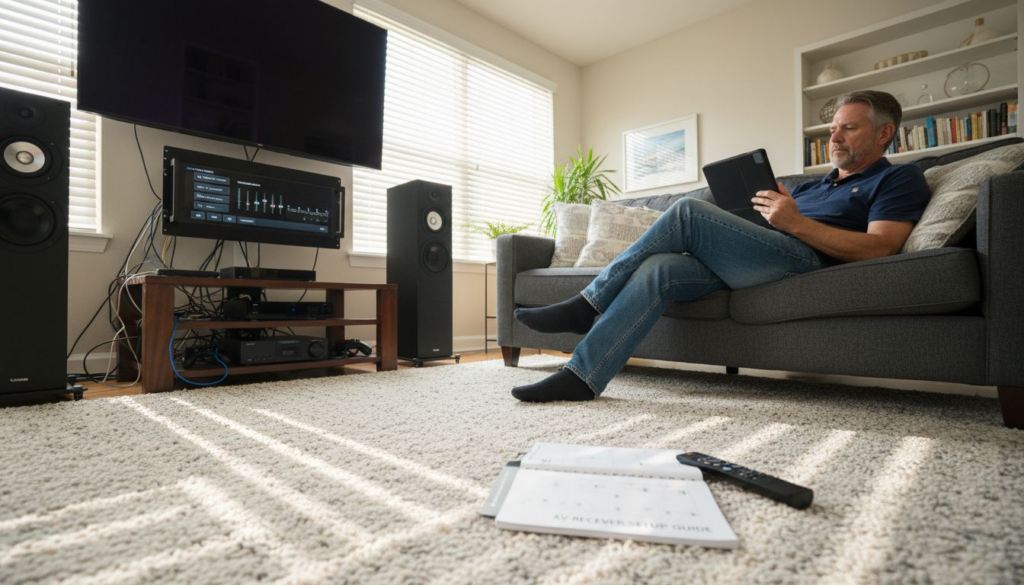
Finding the right balance between elegance and technology often means transforming every room into a vibrant soundscape. Networked audio is redefining how Atlanta homeowners experience home entertainment by offering seamless, high-fidelity sound across multiple spaces. With modern protocols and robust frameworks, these systems have become increasingly user-friendly and reliable. Explore how
networked audio solutions create flexible, immersive environments that integrate perfectly with advanced smart home features.
Table of Contents
Key Takeaways
| Point |
Details |
| Networked Audio Advantages |
Networked audio provides synchronized playback, independent volume control, and seamless integration across devices. |
| Common Myths |
Misconceptions about complexity and cost hinder adoption, as modern systems are increasingly user-friendly and accessible. |
| Types of Systems |
Different configurations like centralized, decentralized, and hybrid systems cater to various homeowner needs and preferences. |
| Risk Management |
Homeowners should prioritize bandwidth, cybersecurity, and professional installation to mitigate potential risks in networked audio systems. |
Networked Audio Defined and Common Myths
Networked audio represents a sophisticated technological approach to distributing sound throughout home entertainment spaces, enabling seamless audio transmission across multiple rooms and devices. Unlike traditional point-to-point audio systems,
networked audio protocols leverage internet protocol (IP) networks to create flexible, scalable sound distribution ecosystems.
At its core, networked audio transforms how homeowners experience sound by allowing simultaneous streaming to multiple zones, precise volume control, and intelligent device integration. The technology enables:
- Synchronized audio playback across different rooms
- Independent volume control for each zone
- Centralized music library management
- High-fidelity digital sound transmission
- Compatibility with multiple audio sources and formats
Despite its advanced capabilities, several persistent myths continue to mischaracterize networked audio systems. Homeowners often believe these technologies are overly complex, unreliable, or prohibitively expensive. In reality, modern networked audio solutions have become increasingly user-friendly and accessible, with plug-and-play configurations that simplify installation and operation.
Networked audio is not just a technological luxury, but a practical solution for creating immersive, intelligent home entertainment environments.
The most common misconceptions include concerns about audio quality, network stability, and system complexity. Professional audio frameworks like the
Joint Task Force on Networked Media have systematically addressed these concerns, demonstrating that contemporary networked audio technologies deliver robust, high-performance sound experiences.
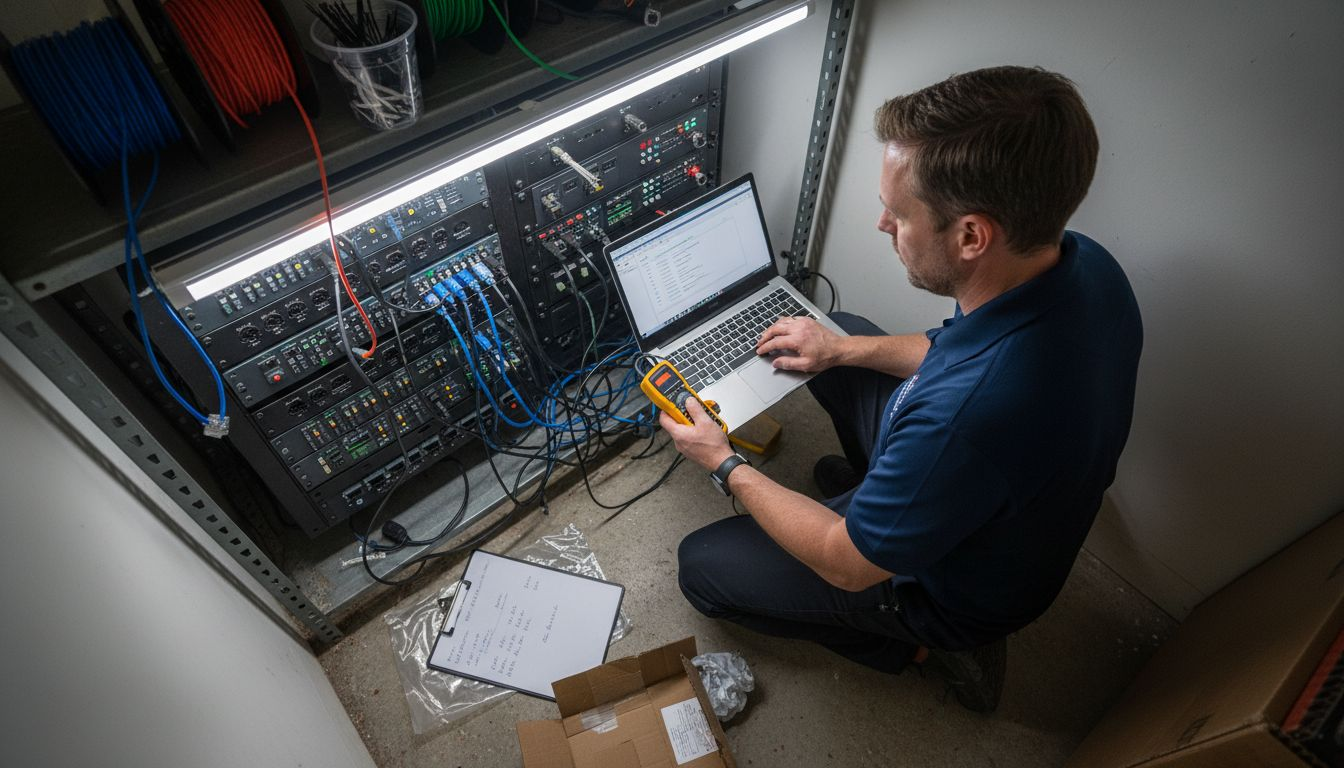 Pro tip: When designing a networked audio system, prioritize compatibility and scalability to ensure future-proof performance and seamless integration with emerging smart home technologies.
Types of Networked Audio Systems for Homes
Home networked audio systems have evolved dramatically, offering homeowners sophisticated options for distributing sound throughout their living spaces. Networked audio protocols enable advanced sound distribution strategies that go far beyond traditional single-room audio setups.
These systems typically fall into several distinct categories:
- Centralized Systems: Single audio source broadcasting to multiple zones
- Decentralized Systems: Independent audio sources in different rooms
- Hybrid Systems: Combination of centralized and decentralized configurations
- Streaming-Based Systems: Internet-enabled audio networks
- Proprietary Ecosystem Systems: Manufacturer-specific networked audio solutions
Each type of networked audio system offers unique advantages for home entertainment.
Residential AV networks support multiple audio streaming scenarios, allowing homeowners to create complex, intelligent sound environments that adapt to their lifestyle and preferences.
Networked audio transforms homes from simple listening spaces into dynamic, intelligent sound environments.
Technical considerations like bandwidth, latency, and protocol compatibility play crucial roles in selecting the right networked audio system. Homeowners must evaluate their specific requirements, including room size, desired audio quality, and integration with existing smart home technologies.
Here’s a concise comparison of common networked audio system types for residential use:
| System Type |
Key Benefit |
Typical Use Case |
Scalability Potential |
| Centralized |
Simplifies control |
Whole-home audio from one hub |
Easy to expand zones |
| Decentralized |
Custom audio per room |
Rooms with unique preferences |
Flexible, per-room upgrades |
| Hybrid |
Combines centralized and custom |
Homes with shared and private zones |
Expandable and adaptable |
| Streaming-Based |
Internet source integration |
Streaming music to all spaces |
Easily links new devices |
| Proprietary Ecosystem |
Brand-specific features |
Smart homes with unified brands |
Limited to brand expansion |
Pro tip: Consult with professional audio integrators who can assess your home’s unique acoustic characteristics and recommend the most suitable networked audio configuration.
How Networked Audio Enhances Smart Integration
Networked audio represents a transformative technology that seamlessly bridges intelligent home systems, creating sophisticated entertainment ecosystems. Networked AV systems enable unprecedented communication between audio devices, smart home platforms, and user control interfaces, fundamentally reimagining home entertainment interactions.
The smart integration capabilities of networked audio systems include:
- Centralized device control through smartphone apps
- Voice-activated audio management
- Automated scene and mood-based audio transitions
- Cross-platform device compatibility
- Real-time audio source switching
- Intelligent volume and sound profile adjustments
Advanced audio technologies now support complex interactions that extend far beyond traditional sound distribution.
Audio innovation specifications are creating immersive experiences where audio systems dynamically respond to user preferences, room conditions, and connected smart home environments.
Smart audio integration transforms passive listening spaces into responsive, intelligent environments that anticipate and adapt to homeowner needs.
Technical innovations have dramatically simplified the complexity of integrating audio systems with broader smart home infrastructures. Homeowners can now enjoy seamless, intuitive control over their entire audio ecosystem, with devices communicating and responding in real-time across multiple platforms and technologies.
Pro tip: Prioritize networked audio solutions with open-standard protocols to ensure maximum compatibility and future-proof your smart home audio integration.
Scalability and Multi-Room Audio Benefits
Multi-room audio systems represent a revolutionary approach to home sound distribution, offering unprecedented flexibility and customization for homeowners.
Multi-room audio configurations enable sophisticated sound experiences that adapt dynamically to different living spaces and personal preferences.
The key advantages of scalable multi-room audio systems include:
- Independent zone volume control
- Synchronized audio across multiple rooms
- Seamless source switching between spaces
- Wireless and wired connectivity options
- Expandable infrastructure for future upgrades
- Personalized audio profiles for different areas
Home audio distribution technologies have transformed how homeowners experience sound, allowing unprecedented control and customization. These systems leverage advanced networking protocols to create intelligent, responsive audio environments that can be easily modified as entertainment needs evolve.
Multi-room audio transforms residential spaces from static listening environments into dynamic, personalized sound ecosystems.
Technical innovations have dramatically simplified multi-room audio integration, enabling homeowners to create complex audio networks with minimal professional installation. Modern systems support intuitive smartphone controls, voice activation, and seamless device interoperability, making sophisticated sound distribution accessible to a broader range of homeowners.
Pro tip: Consider consulting audio integration professionals who can design a scalable multi-room system tailored to your specific architectural layout and entertainment preferences.
Potential Risks and Mistakes to Avoid
Networked audio systems, while technologically advanced, present several potential risks that homeowners must carefully navigate.
Networked audiovisual system security requires strategic planning and proactive management to prevent vulnerabilities that could compromise system performance and personal privacy.
Common risks and potential mistakes in networked audio deployment include:
- Inadequate network bandwidth allocation
- Insufficient cybersecurity protocols
- Poor device compatibility configurations
- Neglecting regular system updates
- Improper network segmentation
- Overlooking professional installation expertise
Networked AV system deployment demands a comprehensive understanding of technical integration challenges. Homeowners often underestimate the complexity of creating robust, secure audio networks that can seamlessly support multiple devices and streaming requirements.
Successful networked audio implementation requires a holistic approach that balances technological sophistication with practical security measures.
Technical vulnerabilities can emerge from seemingly minor configuration errors, potentially exposing home entertainment systems to unauthorized access or performance disruptions. Addressing these risks requires a proactive approach that involves careful planning, professional consultation, and ongoing system maintenance.
To help you avoid common pitfalls, here’s a summary table of networked audio risks and recommended prevention strategies:
| Risk Area |
Typical Problem |
Prevention Strategy |
| Bandwidth Allocation |
Audio dropouts |
Assess total bandwidth during planning |
| Cybersecurity |
Privacy vulnerabilities |
Apply strong passwords and device encryption |
| Device Compatibility |
System malfunctions |
Verify protocol and product compatibility |
| System Updates |
Outdated functionality |
Schedule regular updates for all devices |
| Installation |
Network instability |
Use expert installers for complex setups |
Pro tip: Engage professional AV integrators who specialize in network security to conduct a comprehensive system assessment and develop a tailored risk mitigation strategy.
Elevate Your Home Theater Experience with Expert Networked Audio Integration
Networked audio is transforming home theater design by enabling seamless multi-room sound, precise control, and full smart home integration. However, achieving these benefits requires expert planning to avoid common pitfalls like bandwidth issues, device incompatibility, and security risks. At Atlanta Home Theater, we understand these challenges and specialize in creating custom networked audio setups that deliver immersive, synchronized sound throughout your entire home.
Unlock the full potential of your entertainment spaces with:
- Professional consultation tailored to your home’s unique acoustics and layout
- Scalable audio systems that grow with your lifestyle
- Smart home integration for effortless control via apps and voice commands
Don’t settle for complicated or unreliable setups. Transform your private cinema, whole-home audio, and outdoor entertainment with our dedicated team of over 40 trained specialists. Discover how we can design an intelligent, secure, and expandable networked audio system that fits your vision by visiting
Atlanta Home Theater’s main site. Explore our full range of smart home and private cinema solutions today and take the first step toward an extraordinary listening experience.
Frequently Asked Questions
What is networked audio in home theater design?
Networked audio refers to the use of internet protocol (IP) networks to distribute sound throughout a home theater system, allowing for multi-room audio playback, centralized control, and integration with smart home technologies.
How does networked audio improve audio quality in home theater setups?
Networked audio systems leverage high-fidelity digital sound transmission and structured designs to minimize interference and ensure clarity, resulting in an enhanced listening experience compared to traditional audio setups.
What are the key benefits of using multi-room audio in home theaters?
The key benefits include independent volume control for different areas, synchronized playback across multiple rooms, and the ability to easily switch audio sources, creating a dynamic and flexible home theater experience.
What common mistakes should be avoided when integrating networked audio into home theater systems?
Common mistakes include inadequate network bandwidth allocation, neglecting device compatibility, overlooking cybersecurity measures, and skipping professional installation, which can lead to performance issues and security vulnerabilities.
Recommended