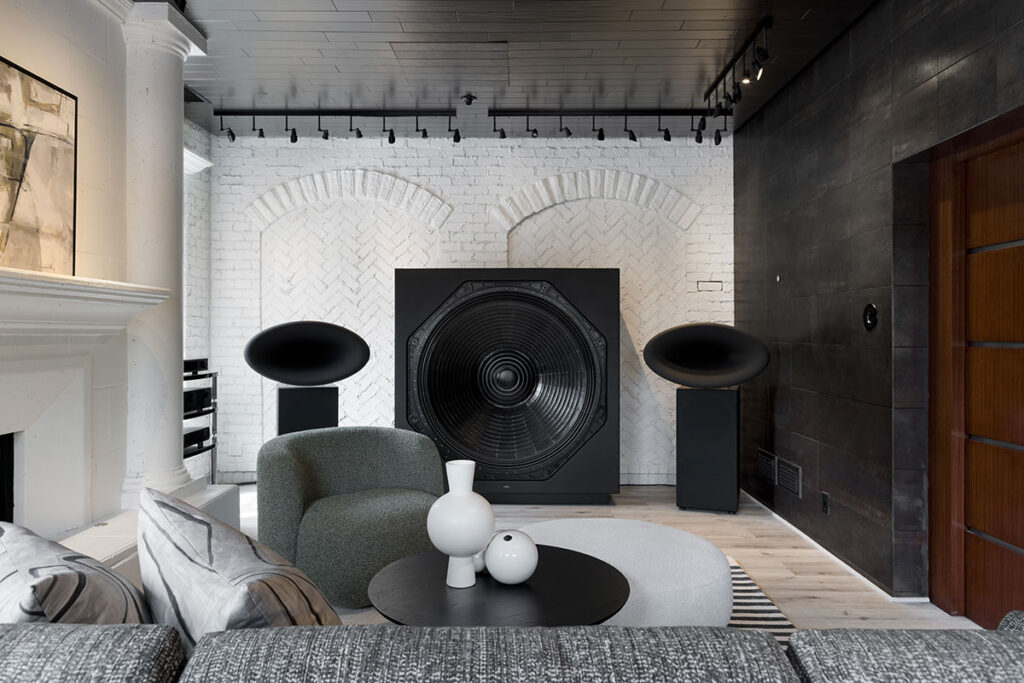
Did you know that over
70 percent of music lovers say audio quality shapes their enjoyment at home? Upgrading your home audio system is more than just a technical trend—it transforms ordinary rooms into rich, inviting spaces that make every movie, song, or game feel real. Thoughtful upgrades let you hear hidden details, personalize your setup, and connect seamlessly with smart home features, delivering an experience you can both hear and feel.
Table of Contents
Key Takeaways
| Point |
Details |
| Comprehensive Upgrades |
Home audio system upgrades should integrate various components for a synergistic sound experience rather than just focusing on individual items. |
| Advanced Technologies |
Modern audio technologies offer diverse configurations like stereo, surround sound, and smart systems to enhance audio experiences for different use cases. |
| Transformative Experience |
Upgrades profoundly impact audio clarity, spatial imaging, and emotional engagement, turning ordinary consumption into immersive experiences. |
| Budget Planning |
Homeowners should consider comprehensive costs associated with upgrades, including hardware, installation, and potential professional calibration to ensure optimal performance. |
Defining Home Audio System Upgrades
Home audio system upgrades represent strategic enhancements that transform your listening environment from basic sound reproduction to an immersive acoustic experience. These upgrades go beyond simply purchasing new speakers, focusing instead on creating a comprehensive sound ecosystem that delivers exceptional audio quality, clarity, and emotional engagement.
At its core, a
home audio system upgrade involves carefully selected components that work synergistically to produce superior sound. This might include high-fidelity speakers, advanced amplification systems, precision acoustic treatments, and sophisticated signal processing technologies. For homeowners looking to elevate their audio experience, these upgrades can dramatically improve sound reproduction across music, movies, and gaming environments. Exploring our
guide on types of home theaters can provide additional context about potential audio configurations.
Key considerations for home audio system upgrades typically include:
- Speaker quality and configuration
- Room acoustic characteristics
- Audio signal processing capabilities
- Integration with existing smart home technology
- Scalability for future enhancements
Understanding these fundamental elements helps homeowners make informed decisions about their audio investments.
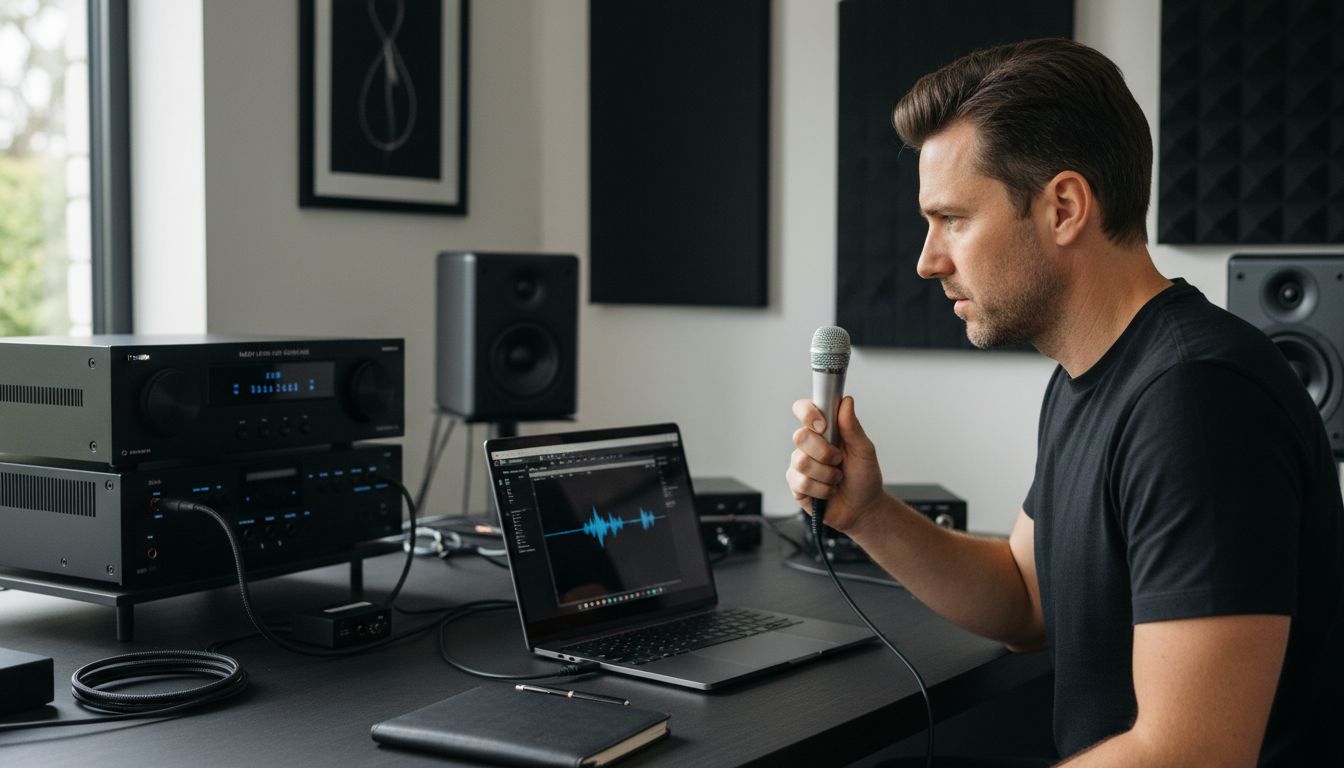
Professional audio consultants can assess your specific space, listening preferences, and technical requirements to design a customized audio solution that transforms how you experience sound. Whether you’re an audiophile seeking reference-level performance or a casual listener wanting enhanced entertainment experiences, strategic home audio upgrades offer something for every preference and budget.
Popular Home Audio Technologies and Types
Home audio technologies have dramatically evolved, offering sophisticated solutions that transform how we experience sound in our living spaces. Modern audio systems range from compact wireless setups to immersive multichannel configurations designed to deliver cinema-quality sound right in your home. Understanding these technologies helps homeowners make informed decisions about their audio investments.
The landscape of home audio technologies encompasses several key categories:
Here’s a summary comparing popular home audio technologies:
| Technology Type |
Key Features |
Best Use Cases |
| Stereo Systems |
Two-channel sound
Simple setup |
Music listening
Small rooms |
| Surround Sound Systems |
Multi-speaker
360-degree immersion |
Home theaters
Movie nights |
| Wireless Multi-Room |
Networked speakers
Flexible placement |
Whole-home audio
Parties |
| Smart Speaker Systems |
Voice control
Streaming services
Smart home links |
Casual use
Smart home setups |
- Stereo Systems: Traditional two-channel audio setups providing balanced left and right channel sound
- Surround Sound Systems: Multi-speaker configurations creating 360-degree audio immersion
- Wireless Multi-Room Audio: Network-connected speakers allowing synchronized sound across different rooms
- Smart Speaker Systems: Voice-activated devices with integrated digital assistants and streaming capabilities
Advanced audio technologies now incorporate cutting-edge features like adaptive sound processing, room calibration algorithms, and seamless smart home integration.
Sound Advice Archives offer deeper insights into emerging audio technologies that can help transform your listening experience. These systems go beyond simple sound reproduction, using sophisticated signal processing to optimize audio quality based on room acoustics, speaker placement, and listener preferences.
For discerning homeowners, modern audio technologies represent more than just sound equipment—they’re sophisticated entertainment ecosystems. Whether you’re an audiophile seeking reference-level performance or a casual listener wanting enhanced audio experiences, today’s technologies offer unprecedented flexibility, quality, and convenience. From compact wireless speakers to complex multichannel home theater systems, the options are designed to suit every space, budget, and audio preference.
Audio system upgrades deliver transformative performance improvements that extend far beyond simple sound quality enhancement. These sophisticated technological interventions create multi-dimensional listening experiences that engage multiple sensory perceptions, turning ordinary audio consumption into immersive emotional journeys. Modern upgrades leverage advanced signal processing, precision engineering, and intelligent acoustic technologies to redefine how we interact with sound.
Key performance improvements typically include:
- Dramatically enhanced sound clarity and detail resolution
- Wider dynamic range with precise frequency reproduction
- Reduced audio distortion and noise artifacts
- More accurate sound staging and spatial imaging
- Improved bass response and low-frequency definition
- Enhanced signal-to-noise ratio for cleaner audio reproduction
Consider how
Infrasonic Sound and Frequencies play a critical role in understanding audio performance. Advanced audio systems can now reproduce extremely low frequencies that were previously imperceptible, creating a more holistic and immersive sound experience. This means listeners can feel subtle audio nuances that traditional systems would completely miss, transforming music, movies, and gaming into rich, multi-sensory experiences.
Beyond technical specifications, home audio upgrades deliver profound experiential benefits. They create personalized acoustic environments that adapt to individual preferences, room characteristics, and content types. Whether you’re a music enthusiast seeking studio-quality reproduction, a movie lover wanting cinema-level immersion, or a gamer desiring precise directional audio cues, modern audio technologies offer unprecedented customization. The result is not just improved sound—it’s a more emotionally connected, intellectually engaging relationship with audio content that transcends traditional listening experiences.
Integration with Smart Home Solutions
Smart home integration represents a revolutionary approach to home audio systems, transforming traditional sound setups into intelligent, responsive ecosystems that adapt to user preferences and environmental conditions. Modern audio technologies now seamlessly communicate with other smart home devices, creating a synchronized and intuitive living experience that goes far beyond simple sound reproduction.
Key features of smart home audio integration include:
- Voice-activated control through digital assistants
- Automatic scene and mood-based audio adjustments
- Synchronized multi-room audio streaming
- Adaptive volume and equalization based on room occupancy
- Seamless connection with lighting, security, and climate control systems
- Remote management through smartphone applications
By exploring
smart home solutions, homeowners can discover how audio systems now function as sophisticated network nodes within a comprehensive home automation strategy. These advanced systems can detect your presence, learn your listening habits, and automatically adjust sound profiles to create personalized acoustic environments. Imagine walking into a room and having your audio system instantly recognize you, selecting your preferred playlist and adjusting volume and tone to match your mood and time of day.
The true power of smart home audio integration lies in its ability to create holistic, context-aware entertainment experiences. These systems break down traditional barriers between different technological domains, allowing audio to become an intelligent, interactive layer of home interaction. Whether you’re hosting a dinner party, working from home, or enjoying a quiet evening, your audio system can dynamically respond to changing environmental and personal contexts, delivering a level of personalization and convenience that was unimaginable just a few years ago.
Cost Considerations and Common Pitfalls
Home audio system upgrades represent significant investments that require careful financial planning and strategic decision-making. While the allure of cutting-edge audio technologies can be compelling, homeowners must navigate a complex landscape of pricing, compatibility, and long-term value considerations to make informed choices that align with their budget and audio expectations.
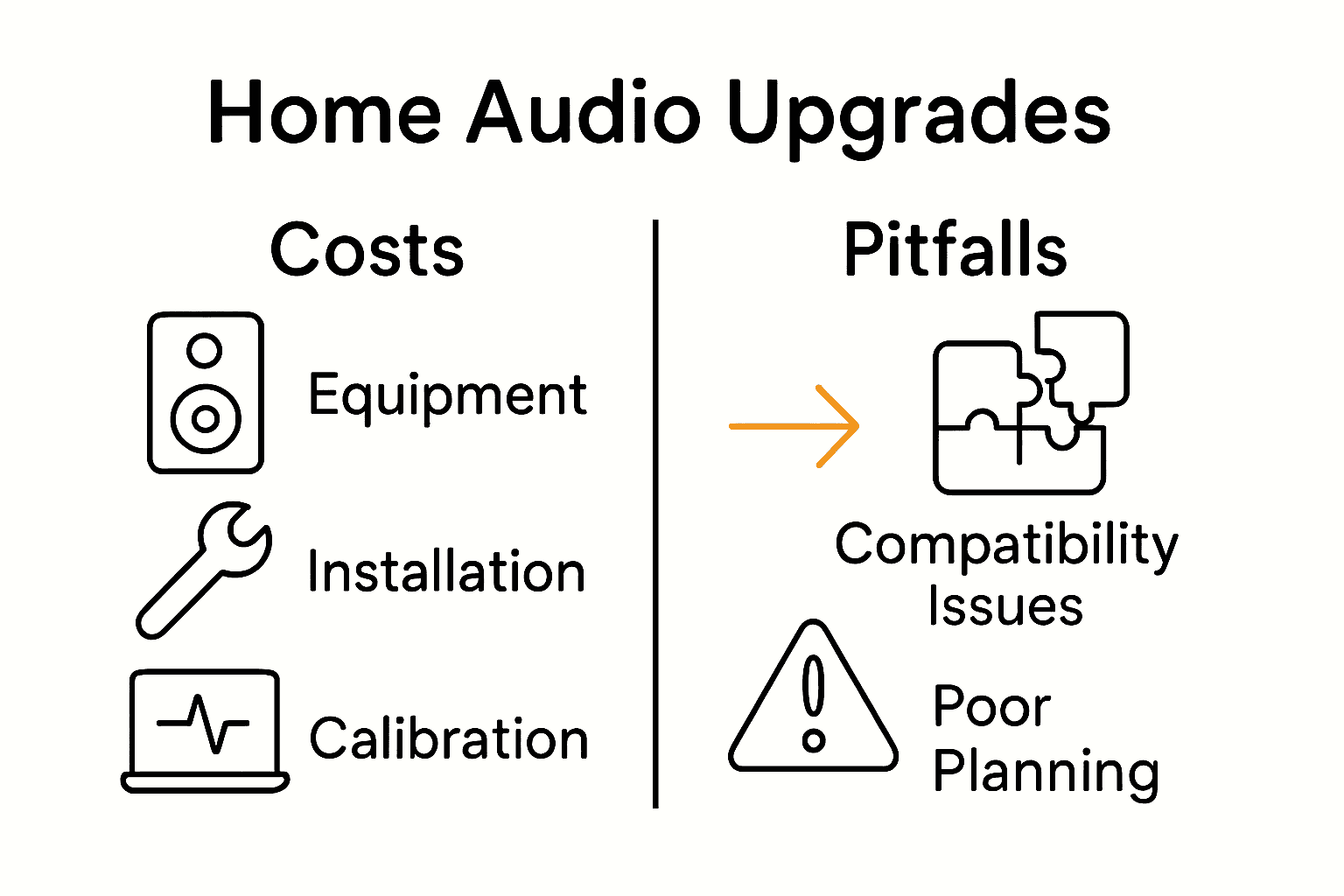
Common cost considerations and potential pitfalls include:
- Initial hardware and installation expenses
- Ongoing maintenance and potential upgrade costs
- Compatibility challenges with existing home infrastructure
- Potential need for professional calibration and setup
- Energy consumption and long-term operational costs
- Depreciation of audio technology
According to
National Academies Press, when upgrading home audio systems, it’s crucial to consider the associated costs and potential challenges such as compatibility issues and the need for specialized installation to achieve optimal performance. This means homeowners should budget not just for equipment, but for professional integration that ensures seamless functionality and superior sound quality.
To mitigate financial risks, consider a phased upgrade approach that allows gradual investment and system expansion.
Start with core components that provide immediate audio improvement, then incrementally add advanced features as budget allows. Professional consultation can help identify the most cost-effective solutions that balance performance, longevity, and financial constraints. Remember that the most expensive system isn’t always the best—strategic, well-planned upgrades that match your specific listening environment and personal preferences will ultimately deliver the most satisfying audio experience.
Elevate Your Home Audio Experience with Expert Solutions
If you are ready to move beyond basic sound and discover the full potential of your living space, understanding the key benefits of home audio system upgrades is just the start. Whether it is improving sound clarity, immersive surround experiences, or seamless smart home integration, your goal is to create a personalized acoustic environment that engages you emotionally every time you listen. Tackling challenges like room acoustics, technology compatibility, and system scalability requires expert guidance to ensure your investment delivers lasting joy and performance.
At Atlanta Home Theater, we specialize in turning these complex upgrade concepts into reality. Our team of over 40 skilled professionals has been crafting customized private cinemas, whole-home audio solutions, and smart home integrations since 1996. From selecting the right speakers to optimizing your space with precision calibration, we are here to help you unlock every nuance of sound in your home. Explore more expert tips in our Sound Advice Archives and see how we can help you navigate the upgrade process.
Don’t let your home audio fall short of its potential. Visit
Atlanta Home Theater today to schedule your personalized consultation and take the first step toward an immersive listening experience you deserve.
Frequently Asked Questions
What are the main benefits of upgrading my home audio system?
Upgrading your home audio system can dramatically improve sound clarity, enhance bass response, and provide a more immersive listening experience. It transforms listening into an emotional journey with better acoustics and signal processing capabilities.
Room acoustics affect sound quality by influencing how sound waves behave in a space. Factors such as size, shape, and furnishings can alter sound clarity. Proper acoustic treatments can optimize your audio system’s performance by reducing distortions and improving overall sound quality.
What should I consider when integrating my audio system with smart home technology?
When integrating your audio system with smart home technology, consider voice control capabilities, compatibility with existing devices, and the ability to sync music across multiple rooms. Additionally, ensure that your system can adapt to personal preferences and room conditions for an optimized listening experience.
Are there common mistakes to avoid when upgrading my home audio system?
Common mistakes include overspending on high-end equipment without proper compatibility checks, neglecting room acoustics, and skipping professional calibration. It’s important to have a well-planned approach tailored to your specific needs and budget to maximize your upgrade investment.
Recommended