
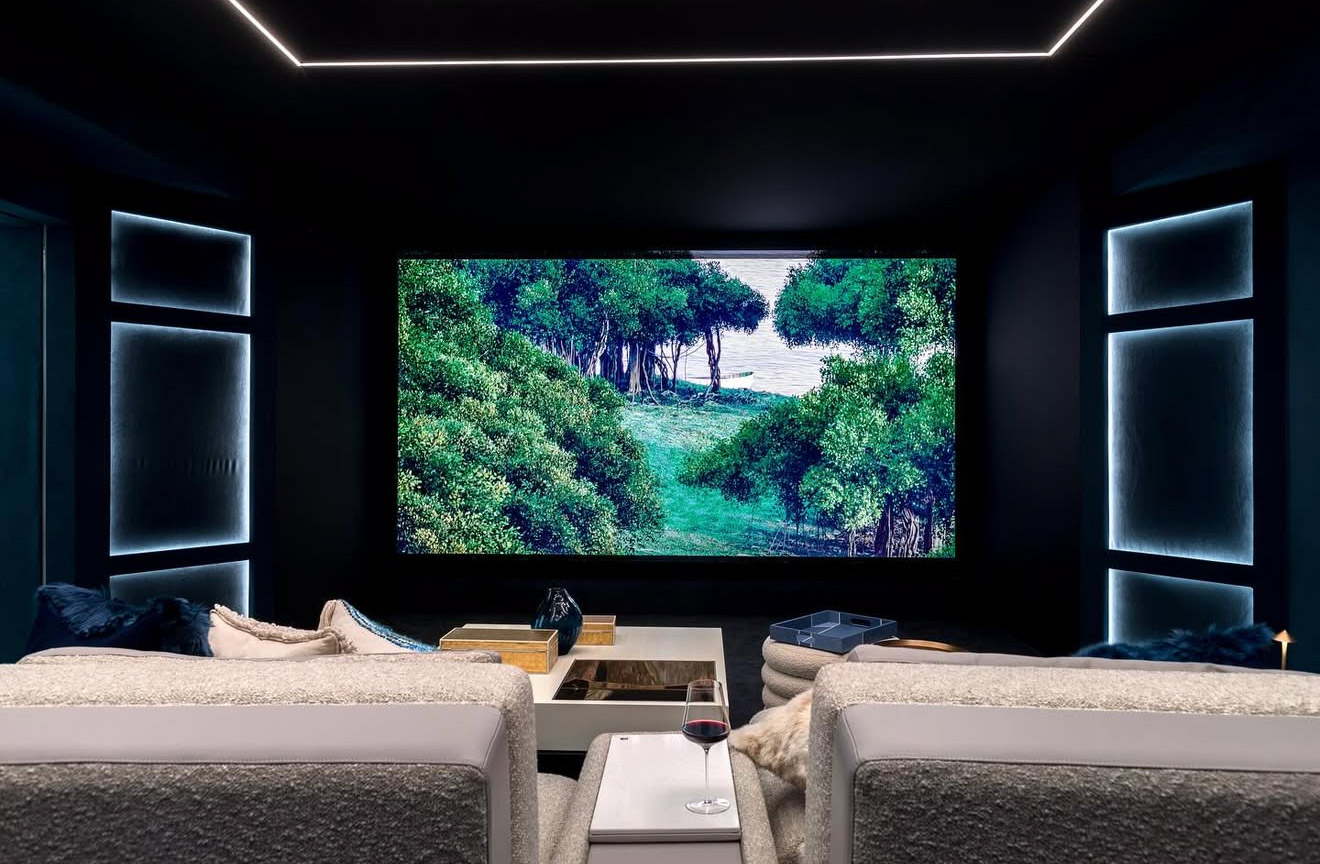
Home theater systems are turning ordinary living rooms into immersive cinematic escapes, offering crystal clear visuals and professional sound right at home. Nearly one in four US homes now features dedicated theater or high-end media setups, a number that keeps growing every year. Yet most people think setting up a home theater means shelling out a fortune or surrendering their space, when smarter designs now make cutting-edge experiences possible in any room or even outdoors.
Table of Contents
- Overview Of Home Theater Concepts
- Dedicated Home Theaters
- Media Rooms
- On-Wall And Off-Wall Systems
- Portable Home Theaters
- Outdoor Home Theater Options
- Smart Home Theater Integration
Quick Summary
| Takeaway | Explanation |
| Focus on immersive audio and video. | Prioritize high-quality displays and surround sound systems for an authentic cinema experience at home. |
| Consider dedicated home theaters. | These specialized rooms offer the best in sound and picture quality through engineered acoustics and design. |
| Explore flexible media rooms. | Media rooms adapt to everyday living, providing high audio-visual capabilities without dedicating a full room. |
| Integrate smart technology. | Smart home theaters can automate systems for convenience, providing personalized experiences tailored to user preferences. |
| Invest in portable systems. | Portable home theaters offer an easily transportable solution, ideal for various settings while maintaining high-quality performance. |
1: Overview of Home Theater Concepts
Home theater systems transform ordinary living spaces into immersive entertainment environments, allowing you to experience cinema quality sound and visuals right in your own home. These sophisticated setups combine audio and video technologies to recreate the excitement of professional movie theaters.
At its core, a home theater system involves strategic audio and visual components designed to deliver exceptional entertainment experiences. According to Energy Star, a typical home theater configuration includes several key elements:
- A high quality display screen (television or projection system)
- Audio receiver or amplifier
- Multiple speakers for comprehensive sound coverage
- Video playback devices like Blu-ray players or streaming equipment
The primary goal of home theater design is creating an immersive sensory experience that goes beyond standard television viewing. Modern systems leverage advanced technologies to simulate professional cinema environments, with precise speaker placement and cutting-edge sound processing techniques.
Sound plays a critical role in home theater performance. Research shows that surround sound systems strategically position speakers to recreate realistic audio environments, making viewers feel like they are inside the movie’s acoustic landscape.
Home theater enthusiasts can choose from multiple configuration styles, ranging from basic setups to complex custom installations. Learn more about our custom home theater design process to understand how professional integrators can transform your entertainment space.
2: Dedicated Home Theaters
Dedicated home theaters represent the pinnacle of audio visual experiences, transforming an entire room into a cinematic sanctuary designed exclusively for entertainment. Unlike multipurpose spaces, these specialized rooms are meticulously engineered to deliver unparalleled audiovisual performance.
A dedicated home theater typically requires a room exclusively reserved for entertainment purposes. Professional design considerations become critical in creating an optimal viewing environment. Key elements include:
- Soundproofed walls to prevent external noise interference
- Light-controlled spaces with specialized window treatments
- Precise acoustic engineering for superior sound quality
- Custom seating arrangements maximizing viewer comfort
Architectural planning plays a significant role in dedicated home theater construction. Research from acoustic engineering experts suggests that room dimensions, wall materials, and speaker placement dramatically impact sound quality and viewer experience.
These specialized spaces often incorporate advanced technological integrations. High end projection systems, motorized screens, professional grade sound processors, and intelligent lighting controls transform ordinary rooms into cinema grade entertainment zones. Homeowners can customize every aspect, from seating configurations to acoustic treatments.
Budget considerations vary widely, with dedicated home theaters ranging from modest $10,000 installations to elaborate $250,000+ professional designs.
While dedicated home theaters represent significant investments, they offer unmatched immersive experiences that standard living room setups cannot replicate. The commitment to creating a specialized entertainment environment reflects a genuine passion for superior audiovisual quality.
3: Media Rooms
Media rooms represent a flexible and versatile approach to home entertainment, blending technological sophistication with multi functional living spaces. Unlike dedicated home theaters, media rooms integrate seamlessly with existing residential environments, offering entertainment capabilities without sacrificing the room’s primary purpose.
These adaptable spaces combine entertainment technology with everyday living areas, allowing families to enjoy high quality audiovisual experiences without dedicated theater constraints. Key design principles focus on creating adaptable environments that support multiple activities:
- Integrated audiovisual systems that complement existing decor
- Flexible furniture arrangements supporting different usage scenarios
- Smart technology enabling quick transitions between work and entertainment modes
- Balanced acoustic treatments maintaining room aesthetics
Research has proven the importance of versatile technological infrastructure in creating dynamic media environments. Modern media rooms leverage advanced projection systems, motorized screens, and intelligent control interfaces that transform spaces instantly.
Typical media room configurations might include large flat screen televisions, surround sound systems, gaming consoles, and streaming device integrations. Homeowners can customize these spaces to support various activities like watching movies, hosting game nights, streaming content, or conducting professional video conferences.
Budget considerations for media rooms are generally more flexible compared to dedicated home theaters. Depending on technological complexity and design sophistication, installations can range from $5,000 to $50,000+. Explore our comprehensive service plans to understand how professional integrators can transform your living spaces.
The true magic of media rooms lies in their ability to create dynamic, multipurpose entertainment zones that adapt to changing household needs while maintaining exceptional audiovisual performance.
4: On-Wall and Off-Wall Systems
On-wall and off-wall home theater systems offer unique approaches to audio visual integration, providing homeowners with flexible design options that balance aesthetic preferences and sound performance. These innovative systems break traditional speaker placement conventions, enabling creative audiovisual configurations.
On-wall systems mount speakers directly onto walls, creating sleek and minimalist entertainment environments. Unlike traditional floor standing speakers, these configurations maximize spatial efficiency and deliver clean architectural lines. Key advantages include:
- Reduced floor space consumption
- Seamless visual integration with room decor
- Precise sound positioning capabilities
- Enhanced design flexibility
Research from audio engineering experts demonstrates that modern on-wall speakers utilize advanced acoustic technologies to achieve exceptional sound dispersion and quality. Manufacturers have developed specialized mounting techniques that minimize sound distortion and optimize audio performance.
Off-wall systems provide alternative mounting strategies, suspending speakers from ceiling structures or utilizing specialized mounting brackets. These configurations offer additional acoustic advantages by creating broader sound stages and enabling more complex audio imaging.
Technological considerations play a crucial role in system selection. Homeowners must evaluate room dimensions, acoustic characteristics, and aesthetic preferences when designing on-wall or off-wall installations. Professional calibration becomes essential to ensure optimal sound performance.
Learn more about our custom audiovisual solutions to understand how professional integrators can design systems tailored to your specific architectural and entertainment requirements.
Budget ranges for on-wall and off-wall systems vary widely, typically spanning from $2,000 to $25,000+ depending on complexity, speaker quality, and installation sophistication. The investment reflects not just sound equipment, but a comprehensive approach to room design and acoustic engineering.
5: Portable Home Theaters
Portable home theaters represent a revolutionary approach to entertainment, offering flexible audiovisual experiences that can be quickly assembled and transported across different environments. These compact systems provide movie enthusiasts and travelers with professional grade entertainment solutions that fit into compact carrying cases.
Modern portable home theater setups leverage cutting edge technology to deliver impressive audiovisual performance in various settings. Technological innovations have dramatically transformed these mobile entertainment systems, enabling high quality experiences previously impossible in compact configurations:
- Lightweight projectors with 1080p and 4K resolution
- Compact wireless speakers with robust sound profiles
- Foldable projection screens
- Smartphone controlled sound systems
Research from multimedia technology conferences highlights emerging smartphone controlled multi channel surround sound technologies. These systems can upmix stereophonic audio into immersive 5.1 channel experiences, dramatically enhancing portable entertainment capabilities.
Portable home theater configurations typically include miniature projectors, compact sound systems, and lightweight screens. Professionals and entertainment enthusiasts appreciate these systems for their ability to transform hotel rooms, outdoor spaces, and temporary locations into personalized cinema environments.
Price ranges for portable home theater systems vary considerably, from budget friendly $300 packages to professional grade $3,000+ configurations. Factors influencing cost include projection quality, audio performance, portability, and additional smart features.
Explore our comprehensive entertainment solutions to discover how professional integrators can help you select the perfect portable home theater system. The key is matching technological capabilities with your specific mobility and entertainment requirements.
6: Outdoor Home Theater Options
Outdoor home theaters transform exterior spaces into immersive entertainment environments, offering unique audiovisual experiences that blend technological sophistication with natural surroundings. These innovative setups allow homeowners to enjoy cinematic experiences under open skies, creating memorable entertainment moments beyond traditional indoor configurations.
Designing an effective outdoor home theater requires careful consideration of environmental factors and technological resilience. Key components must withstand varying weather conditions while delivering exceptional audiovisual performance:
- Weatherproof projection screens
- Ultra bright projectors with high lumens rating
- Sealed audio equipment with water resistant capabilities
- Smart lighting integration for ambient control
Technological advancements have dramatically improved outdoor entertainment systems. Modern equipment includes high definition projectors capable of producing clear images even in moderate ambient light, robust sound systems designed to project audio across open spaces, and intelligent control interfaces that manage entire entertainment ecosystems.
Outdoor home theater configurations range from simple backyard setups to elaborate landscaped entertainment zones. Homeowners can select from portable projection systems or permanent installations that integrate seamlessly with existing outdoor architectural elements. Considerations include available space, power sources, and potential acoustic challenges presented by open environments.
Investment costs for outdoor home theaters vary widely, typically ranging from $5,000 for basic configurations to $50,000+ for fully integrated professional installations. The complexity of design, equipment quality, and architectural integration directly influence overall project expenses.
7: Smart Home Theater Integration
Smart home theater integration represents the pinnacle of technological convergence, transforming traditional entertainment spaces into intelligent, responsive environments that anticipate and adapt to user preferences. These advanced systems leverage interconnected technologies to create seamless, intuitive audiovisual experiences that extend far beyond conventional home theater configurations.
Modern smart home theater systems incorporate sophisticated automation technologies that enable comprehensive control and personalization. Key technological capabilities include:
- Voice activated entertainment controls
- Automated lighting and shade synchronization
- Multi room audio and video streaming
- Intelligent scene programming
- Smartphone and tablet integration
Integration goes beyond simple remote control functionality. Smart home theaters now utilize artificial intelligence and machine learning algorithms to understand user preferences, automatically adjusting audio levels, lighting conditions, and visual settings based on historical viewing patterns and environmental conditions.
Advanced systems can coordinate multiple devices simultaneously, creating holistic entertainment experiences. For instance, initiating a movie might automatically dim lights, lower motorized window shades, adjust room temperature, and configure sound systems to optimal listening parameters.
Explore our comprehensive smart home integration solutions to understand how professional integrators can transform your entertainment environment into an intelligent, responsive ecosystem.
Implementation costs for smart home theater systems vary widely, ranging from $10,000 for basic configurations to $100,000+ for fully customized, whole home entertainment networks. The investment reflects not just technological equipment, but a sophisticated approach to creating personalized, adaptive living spaces that seamlessly blend entertainment, comfort, and technological innovation.
Below is a comprehensive table summarizing the seven main types of home theater systems, their features, key benefits, and ideal considerations for homeowners as discussed in the article.
| Type of Home Theater | Key Features | Main Benefits | Ideal For |
| Dedicated Home Theaters | Exclusive rooms, soundproofed, pro-grade AV, custom seating | Ultimate cinematic experience, superior AV quality | Movie enthusiasts, custom builds |
| Media Rooms | Integrated into living spaces, flexible tech, versatile layout | Multi-use, blends work/entertainment, space-saving | Families, shared areas |
| On-Wall & Off-Wall Systems | Speakers/systems mounted on or off walls/ceilings | Space-efficient, aesthetic, improved sound placement | Design-focused, smaller or modern rooms |
| Portable Home Theaters | Lightweight projectors, foldable screens, mobile speakers | On-the-go, travel-friendly, quick setup/teardown | Travelers, renters, multi-location |
| Outdoor Home Theaters | Weatherproof, high-lumen projectors, sealed audio, ambient lights | Unique outdoor entertainment, weather-resistant | Backyard gatherings, outdoor spaces |
| Smart Home Theater Integration | Automation, AI, voice/app controls, multi-room streaming | Personalized, automated, easy-to-use | Tech-savvy, modern smart homes |
| General Home Theater Concepts | High-quality AV, surround sound, flexible design options | Immersive sensory experience, tailored setups | Everyone seeking home entertainment |
Transform Your Home Theater Dreams Into Reality
After exploring the seven types of home theaters, you might realize selecting the right system and weaving it seamlessly into your home can feel overwhelming. Whether you crave the immersion of a dedicated private cinema, the flexibility of a media room, or the excitement of outdoor or portable entertainment, each path comes with its own technical hurdles. Sound quality, room acoustics, lighting control, and smart home integration are just a few of the details that can quickly become confusing and stressful—even for the most passionate enthusiast.
Imagine replacing that stress with confidence. At Atlanta Home Theater, our team of over forty seasoned professionals is ready to help you make sense of your options. We offer expert guidance on everything from custom sound design to seamless smart home setups. Need reliable advice on which type of surround sound or screen is best for your unique vision? Explore our Sound Advice archives for trusted insights and inspiration. Do not wait to bring your dream theater to life. Visit Atlanta Home Theater now and schedule your personalized consultation. Experience unmatched expertise and see how effortlessly your perfect system can become a reality.
Frequently Asked Questions
What are the main components of a home theater system?
A typical home theater system includes a high-quality display screen, an audio receiver or amplifier, multiple speakers for surround sound, and video playback devices like Blu-ray players or streaming equipment.
How do dedicated home theaters differ from media rooms?
Dedicated home theaters are specialized rooms designed exclusively for optimal audiovisual performance, featuring soundproofed walls and custom seating. In contrast, media rooms are multifunctional spaces that integrate entertainment technology with everyday living areas.
What are the benefits of on-wall and off-wall speaker systems?
On-wall systems save floor space and provide aesthetic integration, while off-wall systems can enhance sound staging. Both types of systems allow for creative speaker placement and improved audio performance in home theater setups.
How can I easily transport a portable home theater setup?
Portable home theater setups typically consist of lightweight projectors, compact wireless speakers, and foldable screens, all of which can be quickly assembled and packed into carrying cases, making them ideal for travel and temporary locations.