
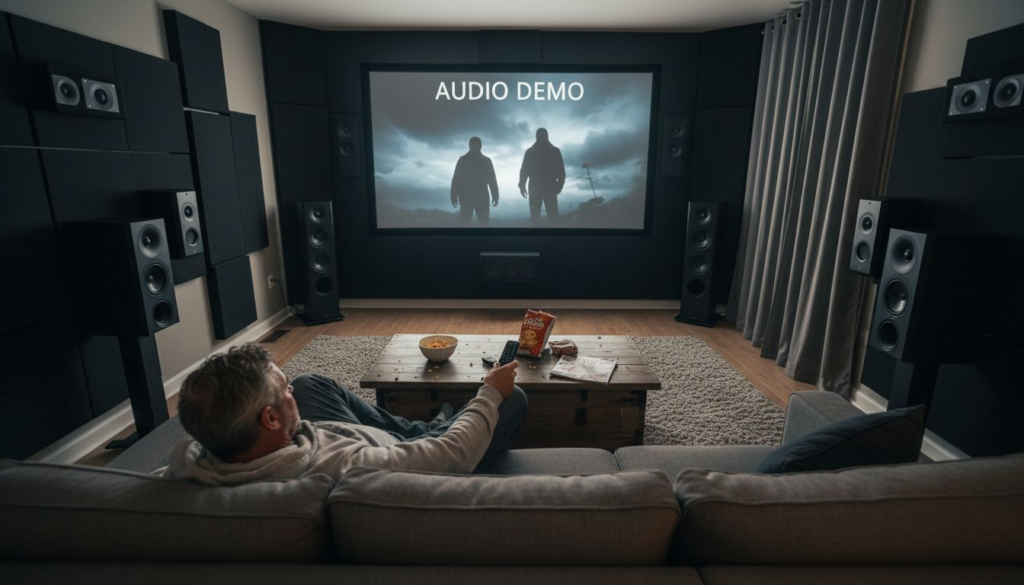
Upgrading a private cinema should feel as extraordinary as stepping into a luxury theater in Downtown Atlanta. For homeowners craving true immersion, traditional surround sound rarely delivers the depth and realism that modern entertainment demands. Immersive audio systems now bring multidimensional sound to life, surrounding you with precise, dynamic audio that enriches every viewing moment and makes your space truly unforgettable.
Table of Contents
- Immersive Audio Systems Defined And Debunked
- Types Of Immersive Audio For Private Cinema
- Core Features And How Immersive Sound Works
- Smart Integration With Luxury Home Technology
- Financial, Installation, And Maintenance Considerations
- Comparing Immersive Audio To Traditional Systems
Key Takeaways
| Point | Details |
|---|---|
| Immersive Audio Revolutionizes Sound | Immersive audio systems create a multidimensional sound experience that exceeds traditional stereo or surround sound setups. |
| Object-Based Audio Technologies | Systems like Dolby Atmos and DTS:X utilize independent sound objects, allowing precise sound placement and movement in 3D space. |
| Integration with Smart Technology | Modern immersive audio systems connect seamlessly with smart home technology for enhanced automation and sound customization. |
| Investment in Expertise | Professional installation and calibration are essential for optimizing performance, often requiring a budget beyond just equipment costs. |
Immersive audio systems defined and debunked
An immersive audio system transforms home entertainment by creating a multidimensional sound experience that goes far beyond traditional stereo or surround sound configurations. These sophisticated technologies aim to replicate realistic, three-dimensional soundscapes that make listeners feel completely enveloped by audio.
Immersive audio systems fundamentally differ from conventional sound setups through several key characteristics:
- Sound Object Placement: Unlike traditional channel-based audio, immersive systems treat sounds as independent objects with specific spatial attributes
- Dimensional Sound: Incorporates horizontal and vertical sound dimensions, creating a truly 360-degree listening environment
- Dynamic Rendering: Enables real-time sound movement and repositioning within the acoustic space
Object-based audio technologies represent the cutting edge of immersive sound, allowing precise control over individual sound elements. This approach allows audio engineers to create incredibly nuanced and spatially accurate soundstages that respond dynamically to listener perspectives.
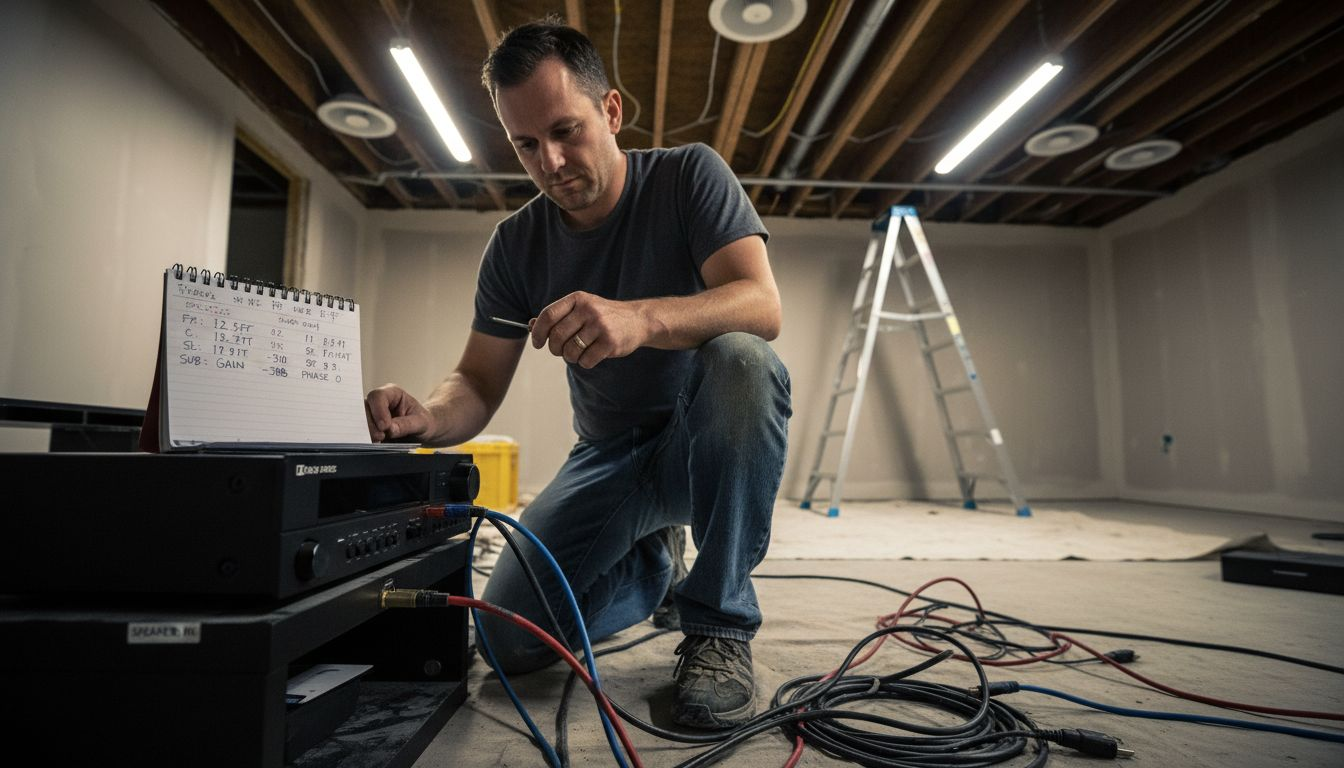
The technical complexity of immersive audio systems involves sophisticated hardware and software components. Sound is captured, transmitted, and rendered using advanced technologies that map audio objects within a three-dimensional space. Modern systems like Dolby Atmos exemplify this approach, treating each sound as an independent entity that can be precisely positioned and moved throughout the listening environment.
Key Technical Components of Immersive Audio:
- Advanced microphone array configurations
- Object-based audio processing engines
- Multi-channel speaker systems
- Digital signal processors with spatial mapping capabilities
Pro tip: When designing an immersive audio setup, prioritize speaker placement and room acoustics over raw equipment specifications to maximize your sonic experience.
Types of immersive audio for private cinema
Immersive audio technologies have revolutionized home cinema experiences by offering multiple sophisticated approaches to creating three-dimensional sound environments. These advanced systems go well beyond traditional surround sound configurations, providing listeners with unprecedented spatial realism and audio precision.
Object-based audio technologies represent the most cutting-edge approaches to immersive sound, with several prominent systems emerging in the market:
- Dolby Atmos: Allows individual sounds to be precisely placed and moved in three-dimensional space
- DTS:X: Offers flexible speaker configurations with dynamic sound object positioning
- Auro-3D: Combines channel-based and object-based audio with dedicated height channels
- Binaural Audio: Simulates 3D sound experience using specialized headphone processing
Each immersive audio type delivers unique advantages for private cinema environments. Dolby Atmos, for instance, enables sound engineers to treat audio as independent objects that can be precisely mapped throughout a three-dimensional soundstage. This approach allows for incredibly nuanced sound placement, making listeners feel completely surrounded by audio.
To better understand immersive audio technologies for private cinema, here’s a comparison of major systems and their unique strengths:
| System | Distinctive Feature | Best Use Case |
|---|---|---|
| Dolby Atmos | Precise object placement | Large home theaters |
| DTS:X | Flexible speaker setup | Custom room designs |
| Auro-3D | Dedicated height channels | Audiophile-focused spaces |
| Binaural Audio | 3D audio through headphones | Personal or headphone setups |
The technical complexity of these systems involves sophisticated speaker configurations and advanced digital signal processing. Unlike traditional 5.1 or 7.1 surround sound setups, immersive audio systems incorporate height channels and flexible speaker layouts that adapt to individual room configurations.
Key Differentiators of Immersive Audio Systems:
- Dynamic sound object positioning
- Vertical sound dimension integration
- Adaptive speaker configuration
- Advanced spatial mapping technologies
Pro tip: Consult with audio professionals who can calibrate your immersive audio system specifically to your private cinema’s unique acoustic environment.
Core features and how immersive sound works
Immersive audio represents a sophisticated technological approach to recreating sound that transcends traditional audio reproduction methods. By creating a three-dimensional soundscape, these systems transform how listeners experience audio in private cinema environments.
Audio spatialization techniques enable sound to be perceived from multiple dimensions, breaking free from conventional stereo or surround sound limitations. The core mechanism involves several critical technological components:
- Sound Object Mapping: Treating individual audio elements as independent, movable entities
- Metadata Encoding: Attaching precise spatial information to each sound
- Adaptive Rendering: Dynamically positioning sounds based on listener perspective
- Height Channel Integration: Adding vertical sound dimensions beyond traditional horizontal planes
The fundamental difference between immersive audio and traditional systems lies in its ability to create a truly three-dimensional sound environment. Unlike standard surround sound, which provides a relatively flat audio experience, immersive technologies use complex algorithms to simulate natural sound propagation.
Key Technical Processes of Immersive Sound:
- Capture audio with specialized multi-dimensional microphone arrays
- Encode spatial metadata for each sound element
- Process audio through advanced rendering engines
- Translate encoded information across speaker configurations
Pro tip: Invest in professional calibration to ensure your immersive audio system’s spatial mapping precisely matches your specific room acoustics.
Smart integration with luxury home technology
Home cinema technology has evolved far beyond standalone audio systems, transforming into sophisticated, interconnected ecosystems that seamlessly blend immersive sound with comprehensive home automation. Modern luxury homeowners now expect intelligent audio solutions that adapt and respond to their environment and preferences.
Smart home control systems are revolutionizing how immersive audio integrates with other home technologies. These advanced platforms enable dynamic interactions between audio, lighting, visual displays, and environmental controls, creating truly responsive entertainment environments.
The integration capabilities of contemporary immersive audio systems include several groundbreaking features:
- Voice Control Integration: Hands-free audio configuration and zone management
- Networked Audio Zones: Synchronized sound across multiple rooms
- Scene-Based Automation: Preset audio environments linked to specific activities
- Adaptive Acoustic Calibration: Real-time sound optimization based on room characteristics
Unlike traditional audio setups, these intelligent systems can dynamically adjust sound profiles, synchronize with visual elements, and create holistic sensory experiences. They leverage advanced networking protocols and machine learning algorithms to provide unprecedented levels of customization and responsiveness.
Here’s a look at how immersive audio systems transform home technology integration compared to traditional setups:
| Aspect | Immersive Audio Systems | Traditional Home Audio |
|---|---|---|
| Automation Compatibility | Integrates with smart controls | Limited or manual adjustments |
| Multi-Room Audio | Synchronized zones possible | Typically room-confined |
| Adaptive Calibration | Real-time sound optimization | Requires manual tuning |
| Scene Presets | Automated for activities | Manual audio adjustments only |
Key Smart Integration Technologies:
- OSC (Open Sound Control) protocol for precise system communication
- AI-driven acoustic analysis and optimization
- Cross-platform device compatibility
- Cloud-based configuration and management
Pro tip: Consult with professional integrators who specialize in whole-home audio ecosystems to design a truly seamless and intelligent sound environment.
Financial, installation, and maintenance considerations
Immersive audio systems represent a significant investment for luxury homeowners, with costs extending far beyond simple equipment purchases. Professional implementation requires careful financial planning, technical expertise, and long-term strategic considerations to ensure optimal performance and value.
System installation complexity varies dramatically based on room characteristics, desired audio configuration, and integration requirements. Factors that substantially impact overall project costs include:
- Speaker Configuration: Number and placement of speakers
- Room Acoustic Treatment: Soundproofing and sound optimization
- Professional Calibration: Precision audio mapping and tuning
- Smart Home Integration: Networking and control system compatibility
Financial considerations for immersive audio systems encompass multiple expense categories beyond initial hardware investment. Homeowners should anticipate both upfront and recurring costs associated with creating a truly remarkable audio environment.
Comprehensive Cost Breakdown:
- Equipment procurement
- Professional design consultation
- Installation and acoustic treatment
- Ongoing maintenance and potential upgrades
- Software and firmware update support
Pro tip: Budget an additional 15-25% beyond equipment costs for professional installation and potential room modifications to ensure optimal acoustic performance.
Comparing immersive audio to traditional systems
Traditional audio systems represent a limited approach to sound reproduction that struggles to capture the complexity of real-world acoustic experiences. In contrast, immersive audio technologies offer a revolutionary leap in sonic realism and listener engagement.
Audio channel configurations reveal fundamental differences between traditional and immersive sound technologies:
- Traditional Systems: Fixed horizontal speaker placement
- Immersive Systems: Dynamic 3D sound object positioning
- Traditional Sound: Limited to 2D horizontal soundstage
- Immersive Sound: Full vertical and horizontal sound mapping
Traditional surround sound systems typically rely on predefined channel configurations like 5.1 or 7.1, which distribute audio across a flat, horizontal plane. Immersive audio systems dramatically expand this approach by introducing height channels and object-based audio technologies that allow sounds to move dynamically throughout a three-dimensional space.
Key Comparative Features:
- Sound localization precision
- Spatial audio depth
- Speaker configuration flexibility
- Listener immersion quality
Pro tip: Request an in-person demonstration to truly understand the transformative difference between traditional and immersive audio systems.
Elevate Your Home Cinema with Expert Immersive Audio Solutions
Immersive audio systems transform private cinemas by creating dynamic three-dimensional soundscapes that fully engage listeners. If you are facing challenges with speaker placement, room acoustics, or integrating object-based audio like Dolby Atmos, Atlanta Home Theater offers tailored solutions built around your unique space and preferences. Our team understands the technical complexity and the emotional impact of immersive sound and ensures every detail enhances your cinematic experience.
Explore expert advice in our Sound Advice Archives – Atlanta Home Theater to get started on mastering immersive audio technology. Then partner with our trained professionals to design and install a custom home theater that unites cutting-edge sound, precision calibration, and seamless smart integration. Don’t wait to immerse yourself in the future of home entertainment. Schedule your consultation today at Atlanta Home Theater and turn your vision into reality.
Frequently Asked Questions
What is an immersive audio system?
An immersive audio system is a sophisticated home entertainment technology that creates a multidimensional sound experience, treating sounds as independent objects and providing a 360-degree listening environment.
How do immersive audio systems differ from traditional surround sound systems?
Immersive audio systems incorporate height channels and dynamic sound object positioning, allowing for a fully three-dimensional sound experience, unlike traditional systems that rely on fixed horizontal channel configurations.
What are the benefits of using Dolby Atmos in a home cinema setup?
Dolby Atmos allows sound engineers to place and move individual sounds throughout a three-dimensional space, providing nuanced sound placement that enhances immersion and realism in a home cinema environment.
What factors should be considered when installing an immersive audio system?
Considerations include speaker configuration, room acoustic treatment, professional calibration, and smart home integration to ensure optimal performance and a seamless audio experience.
Recommended
- Complete Guide to Why You Should Upgrade Your Home Audio – Atlanta Home Theater
- 7 Types of Home Theaters You Can Consider Today – Atlanta Home Theater
- 7 Essential Features of Private Cinemas for Luxury Homes – Atlanta Home Theater
- How to Design A Media Room for Ultimate Home Entertainment – Atlanta Home Theater