Putting green simulators for Atlanta homes explained—includes types, core features, real installation impact, and cost versus traditional golf upgrades.


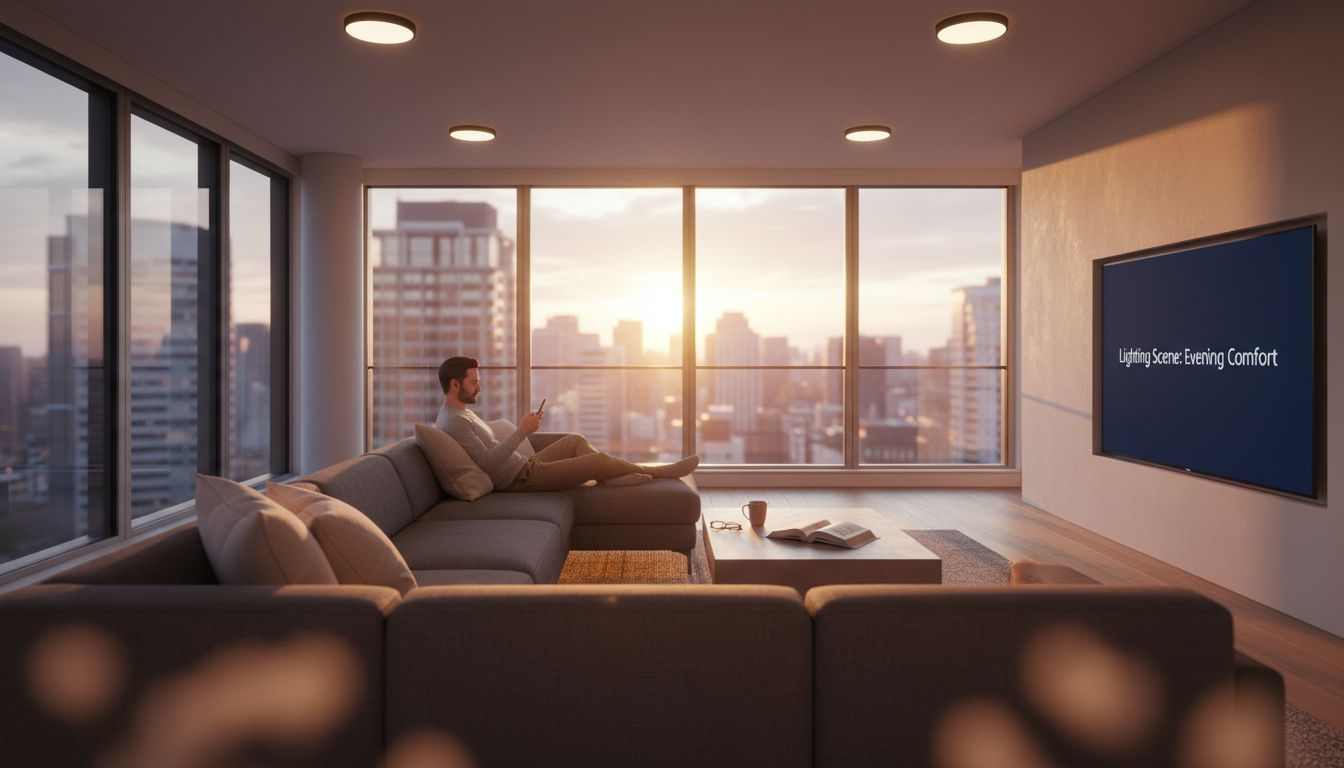
Selecting lighting for your Atlanta home should be more than flipping a switch and hoping for the best. Today’s affluent homeowners expect more—lighting that responds to mood, activity, and even wellness needs. With smart home integration, your lighting can offer human-centric features that directly support your health and circadian rhythms. This article explains how personalized lighting transforms every corner of your home into a welcoming, dynamic, and sophisticated environment tailored to the way you live.
| Point | Details |
|---|---|
| Personalized Lighting Enhances Wellbeing | It supports circadian rhythms and improves mood and sleep quality through adaptive brightness and color adjustments. |
| Smart Integration Improves Functionality | Connected systems provide automation, energy efficiency, and seamless control across different lighting types and rooms. |
| Tailored Solutions Meet Unique Needs | Various lighting types—ambient, task, accent—can be customized to enhance specific spaces and activities in your home. |
| Safety and Maintenance Are Crucial | Professional installation and regular system checks are essential to prevent hazards and ensure optimal performance. |
Personalized lighting goes beyond flipping a switch or setting a timer. It’s about creating lighting that adapts to your life, your space, and your wellbeing. Think of it as lighting that knows when you’re working, unwinding, or entertaining guests—and adjusts accordingly.
At its core, personalized lighting combines three essential elements:
Unlike traditional lighting, which remains static regardless of your needs, personalized lighting responds to context. Your home office might require bright, focused light at 6,000 Kelvin for productivity. Later that evening, your bedroom transitions to warm amber tones at 2,700 Kelvin to support natural sleep patterns.
Standard lighting treats every room the same way: a fixed brightness level, unchanging color temperature, and manual on-off control. Personalized lighting systems, by contrast, use smart sensors, scheduling, and integration with your daily routines.
When you arrive home from the office, your foyer lights brighten to greet you. As you move to the kitchen, task lighting activates above the counters. Later, ambient lighting in your living room dims as evening approaches.
Human-centric lighting addresses both visual and non-visual impacts of light on your health, supporting your circadian rhythm and overall wellbeing rather than simply illuminating a space. This approach recognizes that light influences mood, energy levels, and sleep quality.
Atlanta’s climate and lifestyle create unique lighting needs. Summer’s intense afternoon heat requires shading solutions paired with strategic indoor lighting. Winter’s shorter days call for light therapy-style illumination during morning hours.
Affluent homeowners in the area are discovering that personalized lighting:
Personalized lighting isn’t a luxury feature—it’s a foundation for modern comfortable living that actually reduces energy consumption while improving your quality of life.
The shift toward personalized lighting reflects how technology now allows homes to understand and respond to their occupants’ needs. Your lighting becomes intelligent, anticipatory, and genuinely personalized to enhance every moment you spend at home.
Pro tip: Start with high-traffic areas like bedrooms and kitchens when implementing personalized lighting; these spaces benefit most from adaptive brightness and color temperature changes that support daily routines.
Compare personalized lighting to standard lighting systems at a glance:
| Feature | Standard Lighting | Personalized Lighting |
|---|---|---|
| Brightness Adjustment | Manual only | Automatic and manual |
| Color Temperature | Fixed | Adaptive based on activity |
| Integration Capability | Standalone switch | Connected smart ecosystem |
| Wellness Support | Limited | Enhances sleep and mood |
| Energy Efficiency | Often wasteful | Optimized with automation |
Personalized lighting solutions come in several distinct categories, each designed to serve different purposes and enhance specific aspects of your home. Understanding these types helps you build a system that truly matches your lifestyle and needs.
Ambient lighting provides the foundational brightness for any room. It’s your main source of general illumination, filling the space with soft, even light that eliminates harsh shadows.
In Atlanta homes, ambient lighting often combines:
The key to personalized ambient lighting is flexibility. Rather than a single fixed brightness level, smart systems let you dim or brighten the entire room instantly.
Task lighting concentrates bright, focused light exactly where you need it for specific activities. Your kitchen counters need task lighting for food preparation. Your home office requires it for reading and computer work.

Personalized task lighting adjusts based on what you’re doing. Reading requires different brightness than cooking. Working at a desk demands higher color temperature than relaxing with a book.
Layering ambient, task, and accent lighting maximizes daylight use while supporting both comfort and energy efficiency in your home.
Accent lighting highlights architectural features, artwork, or decorative elements. It adds depth and visual interest to your space. A recessed spotlight on a gallery wall, uplighting on landscaping, or illumination of crown molding all serve this purpose.
Personalized accent lighting lets you emphasize different features at different times. Showcase your art collection in the evening, then transition to soft, ambient-only lighting during the day.
Tunable white lighting adjusts color temperature throughout the day. Early morning light starts cool and energizing at 5,000 Kelvin. By evening, it shifts to warm, relaxing 2,700 Kelvin tones.
Dynamic lighting systems go further, modulating both brightness and color to support your circadian rhythm and overall wellness. These systems respond to time of day, your location in the home, and even your biometric feedback.
This advanced approach recognizes that light influences your energy levels, mood, and sleep quality far beyond simple illumination.
Personalized lighting extends beyond your interior. Landscape lighting, patio illumination, and entryway fixtures all benefit from smart integration.
Atlanta homes benefit from:
The most effective personalized lighting systems blend multiple types—ambient, task, accent, and dynamic—into one unified, responsive ecosystem.
Your home office might layer bright task lighting for daytime work with warm accent lighting for evening relaxation. Your entryway combines welcoming accent lighting with practical task lighting near mirrors.
Pro tip: Start by mapping your daily activities room-by-room, then select lighting types that support each activity; this ensures your personalized system actually serves how you live, not how you think you should live.
Here’s how personalized lighting types enhance specific rooms:
| Lighting Type | Best Room Application | Key Benefit |
|---|---|---|
| Ambient Lighting | Living Room, Hallways | Even overall brightness |
| Task Lighting | Kitchen, Home Office | Focused light for activities |
| Accent Lighting | Entryway, Art Gallery | Highlights decor or features |
| Dynamic/Tunable | Bedroom, Home Gym | Adapts to mood and routines |
| Outdoor Integration | Patio, Walkways | Safety and curb appeal |
Smart lighting integration connects your individual fixtures into a unified system that communicates, learns, and responds to your needs. Instead of isolated switches controlling individual lights, everything works together seamlessly through centralized management and automation.
At the heart of smart lighting is a networked control system where fixtures connect digitally to each other and a central hub. Think of it like a nervous system for your home—every light becomes part of a larger intelligence.
Networked lighting controls support scheduled, occupancy, and daylight-responsive adjustments, allowing your system to adapt automatically without constant manual input. Your lights know when you’re home, when it’s dark outside, and what time of day it is.
This network enables:
Modern smart lighting systems rely on embedded sensors that gather continuous information about your space. Motion sensors detect occupancy. Light sensors measure available daylight. Temperature sensors inform color temperature adjustments.
These sensors feed data back to your system in real-time. When you enter a room, motion detection triggers appropriate lighting. As sunset approaches, daylight sensors adjust color temperature to support your circadian rhythm.
The result feels almost magical—your home responds before you ask.
Cloud-based platforms enable you to control your lighting from anywhere. Working late at the office? Activate your bedroom lights remotely before arriving home. Traveling? Automate your lights to simulate occupancy for security.
Cloud connectivity also enables:
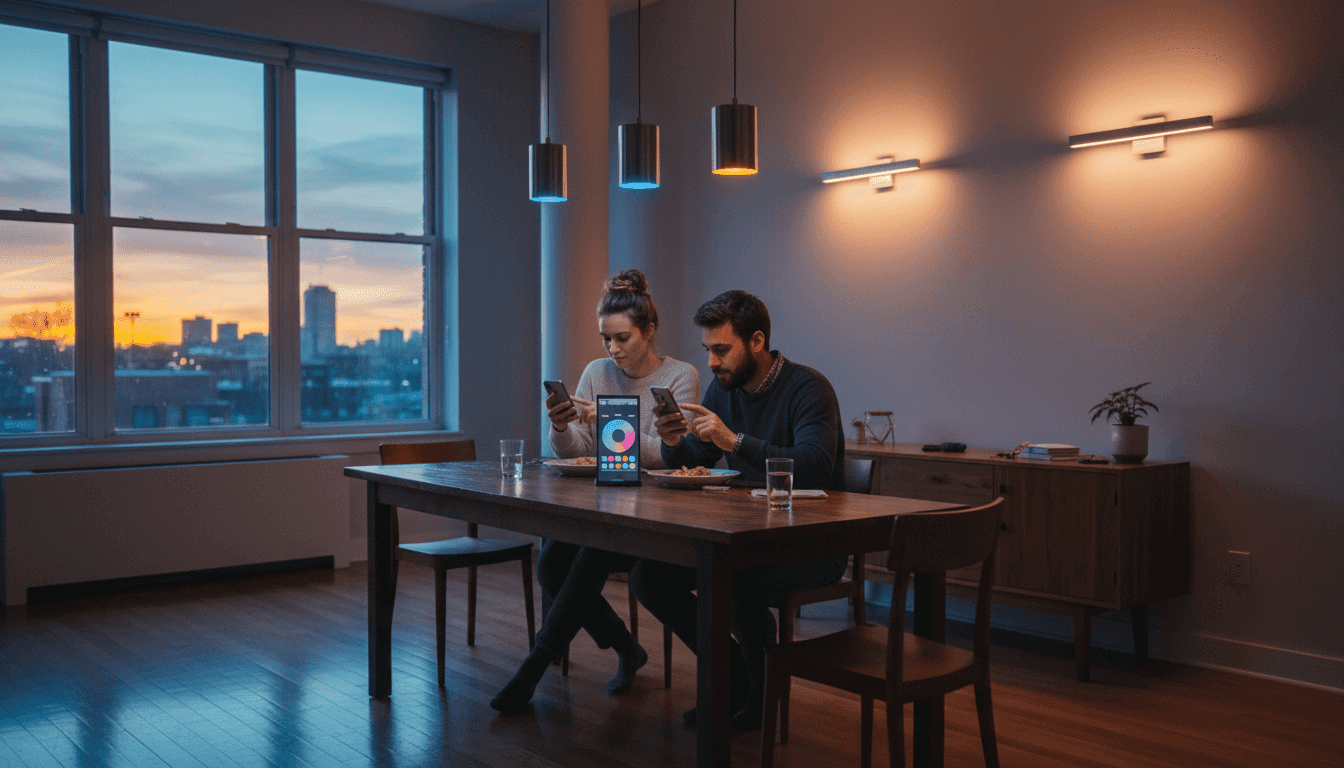
Personalized lighting doesn’t exist in isolation. Smart lighting systems connect with your home theater, security system, HVAC, and window automation.
Example integration scenarios:
Smart lighting integration creates an ecosystem where every element responds to your needs, location, and activity without requiring constant manual adjustment.
This interconnected approach transforms lighting from a static utility into an active component of your home’s intelligence. Your system learns your preferences and anticipates your needs.
Pro tip: When planning your smart lighting installation, ensure your hub and fixtures use the same communication protocol; incompatible devices create frustrating gaps in automation and defeat the purpose of whole-home integration.
Personalized lighting does far more than illuminate your home. It directly impacts your sleep quality, mood, energy levels, and overall health by working in harmony with your body’s biological systems. This is where technology meets genuine wellness.
Your body relies on light signals to regulate sleep-wake cycles. Bright, cool light in the morning energizes you. Warm, dim light in the evening signals your body to produce melatonin for better sleep.
Personalized lighting systems automate this process. Morning scenes gradually brighten your bedroom before waking, mimicking natural sunrise. Evening scenes transition to warm amber tones, supporting your natural sleep preparation.
Personalized lighting supports circadian rhythms and improves sleep quality by controlling light intensity and spectrum at critical times. This isn’t luxury—it’s biological optimization.
Atlanta homeowners often struggle with sleep disruption from afternoon sun exposure and inconsistent natural light patterns. Automated circadian lighting compensates, aligning your indoor environment with your body’s needs.
Light directly influences neurotransmitters that regulate mood and emotions. Insufficient daylight exposure contributes to seasonal depression and low motivation. Strategic lighting prevents this.
Personalized systems deliver:
Your home office becomes a productivity hub. Your living room transforms into a genuine retreat. Your bedroom supports restorative sleep.
Optimal lighting improves concentration, reaction time, and mental clarity. Cool-toned light at 5,000-6,500 Kelvin boosts alertness during work hours. This is why many high-performing professionals optimize their lighting for peak mental performance.
Personalized systems eliminate the afternoon energy slump by maintaining appropriate lighting levels and color temperatures throughout your workday.
Beyond mood and sleep, light influences cellular regeneration and healing. Specialized lighting methods like red light therapy support skin health, reduce inflammation, and promote cellular healing through noninvasive means.
Many affluent homeowners incorporate therapeutic lighting into their wellness routines:
Personalized lighting transforms your home from a static space into a dynamic wellness environment that actively supports your health, sleep, mood, and cognitive performance.
Your lighting adapts as your needs change—work stress requires energizing light, recovery days call for restorative warmth.
Pro tip: Begin your personalized lighting system with your bedroom and morning routine; these areas deliver the fastest, most noticeable improvements to sleep quality and daily energy levels, making the investment immediately worthwhile.
Personalized lighting systems offer tremendous benefits, but installation and operation require careful attention to safety. Overlooking key precautions creates electrical hazards, security vulnerabilities, and equipment failures that undermine your investment.
The most critical mistake homeowners make is DIY electrical work on complex lighting systems. This creates genuine fire hazards and injury risks. Your home’s electrical system isn’t the place to experiment.
Essential electrical safety includes professional installation, using UL-approved fixtures, and following national electrical codes to prevent fire hazards. Atlanta Home Theater’s certified professionals handle all electrical integration, ensuring code compliance and safety.
Electrical safety requires:
Many homeowners rush installation, creating problems that emerge months later. Incompatible devices, poor hub placement, and inadequate wiring lead to system failures and frustration.
Avoid these mistakes:
Connected lighting systems access your home network. Weak security exposes your entire smart home to unauthorized access. This isn’t just about lighting—it’s about protecting your home’s digital infrastructure.
Smart home security requires strong network encryption using WPA3, unique passwords, regular firmware updates, and IoT device segmentation to prevent unauthorized access and control.
Secure your system with:
While personalized lighting improves wellness, improper use creates issues. Excessive blue light late at night disrupts sleep. Overly bright lighting causes eye strain. Abrupt transitions trigger headaches for some people.
Safe personalized lighting requires gradual transitions between brightness and color levels, avoiding peak blue light exposure during evening hours, and allowing adjustment periods for your eyes and circadian system.
Configure your system thoughtfully. Test settings before automating them. Adjust transition speeds to feel natural rather than jarring.
Ignoring maintenance creates safety risks and system failures. Smart lighting systems require periodic attention just like any home technology.
Schedule regular maintenance:
Pro tip: Work exclusively with certified smart home installers like Atlanta Home Theater; they handle electrical compliance, security configuration, and proper device integration from the start, eliminating costly mistakes and ensuring your system operates safely for years.
If you have discovered how personalized lighting enhances your wellbeing and daily routines, you know the challenge is integrating adaptive, tunable lighting that responds seamlessly to your lifestyle and home environment. Key issues include managing brightness and color temperature for productivity, relaxation, and security while ensuring safety and energy efficiency. Concepts like circadian rhythm support, automated scene control, and smart home integration are critical to creating a truly responsive lighting experience.
At Atlanta Home Theater, we specialize in transforming these complex goals into elegant, easy-to-use smart lighting systems perfectly tailored for Atlanta homeowners. Our expert team provides professional installation of automated lighting, integrated shade control, and outdoor landscape illumination that work harmoniously within your entire smart home ecosystem. Explore our Sound Advice Archives – Atlanta Home Theater to learn more about optimizing smart home technology for comfort and wellness.
Ready to experience lighting that adapts to you and enriches every moment at home With over 25 years of dedicated service, Atlanta Home Theater is your go-to partner for smart lighting and home automation. Schedule your personalized consultation today at Atlanta Home Theater and take the first step toward a safer, healthier, and more energy-efficient home illuminated just for you.
Personalized lighting refers to lighting systems that adapt to your lifestyle and needs, adjusting brightness, color temperature, and scenes based on activities, time of day, and mood.
Unlike standard lighting, which has fixed brightness and color temperature, personalized lighting utilizes smart sensors and automation to create dynamic environments that enhance comfort and support routines.
Personalized lighting can improve sleep quality by supporting circadian rhythms, enhance mood through strategic color adjustments, and boost cognitive function and energy levels by optimizing light exposure during different times of the day.
Integration involves connecting your lighting fixtures to a central hub, allowing for centralized control, scheduling, and automation. Ensure that your devices are compatible and that your network can support the smart lighting ecosystem.